
Shadow Fist: An Underground MMA Drama About Survival and Redemption
Independent cinema has long been a space where filmmakers can explore raw and personal stories without the limitations often found in big-budget productions. The upcoming independent drama Shadow Fist enters that tradition with a story rooted in struggle, resilience, and the search for dignity after life falls apart.
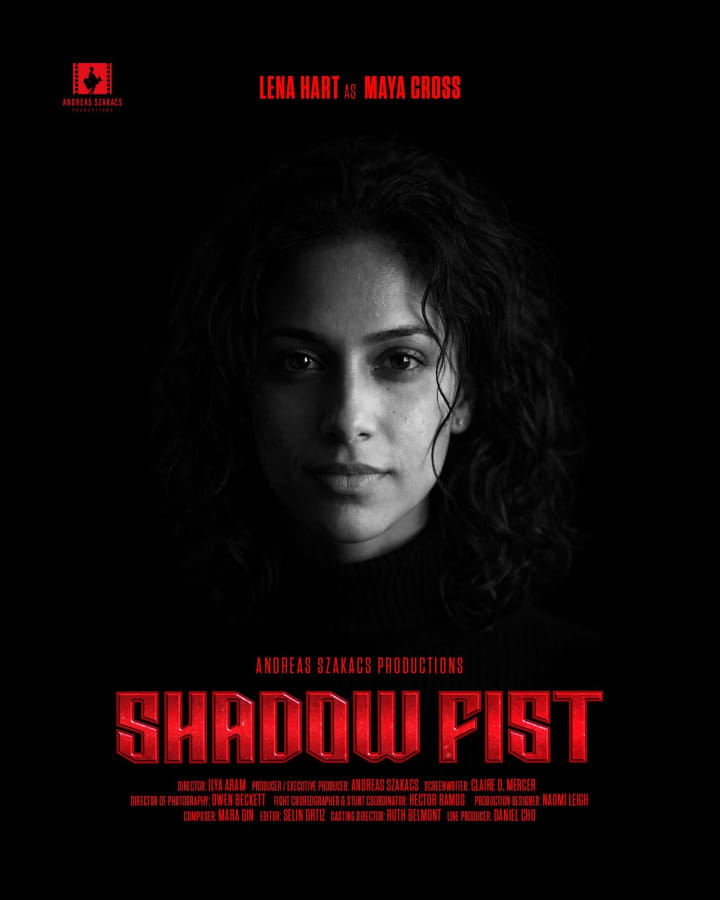
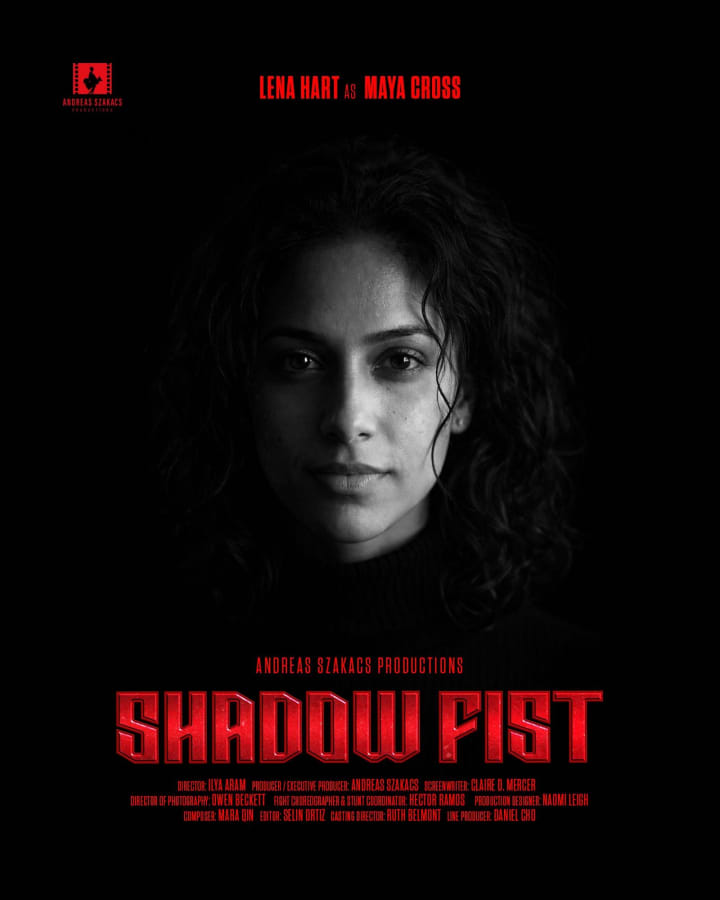
Set against the gritty backdrop of Mexico City’s underground fighting scene, the film tells the story of Maya Cross, a woman forced to rebuild her life in the most unexpected way — inside an illegal mixed martial arts ring.
While sports dramas are often filled with spectacle and triumphant victories, Shadow Fist appears to focus on something more intimate: the emotional journey of someone trying to reclaim control over their life.
A Fighter Born From Circumstance
At the center of the story is Maya Cross, a former hospitality worker whose life begins to unravel after a series of personal setbacks. Once working as a hotel concierge, Maya suddenly finds herself struggling financially while also caring for her younger sister.
With limited options and mounting pressure, she enters the underground MMA circuit — a hidden world where fighters compete for quick money and dangerous recognition.
What starts as a desperate attempt to survive slowly becomes something deeper. Fighting forces Maya to confront not only powerful opponents, but also her own fears, anger, and sense of identity.
Rather than presenting the sport purely as entertainment, the film frames fighting as a form of transformation. Every match becomes a step in Maya’s emotional journey as she learns discipline, control, and resilience.
The Mentor Behind the Fighter
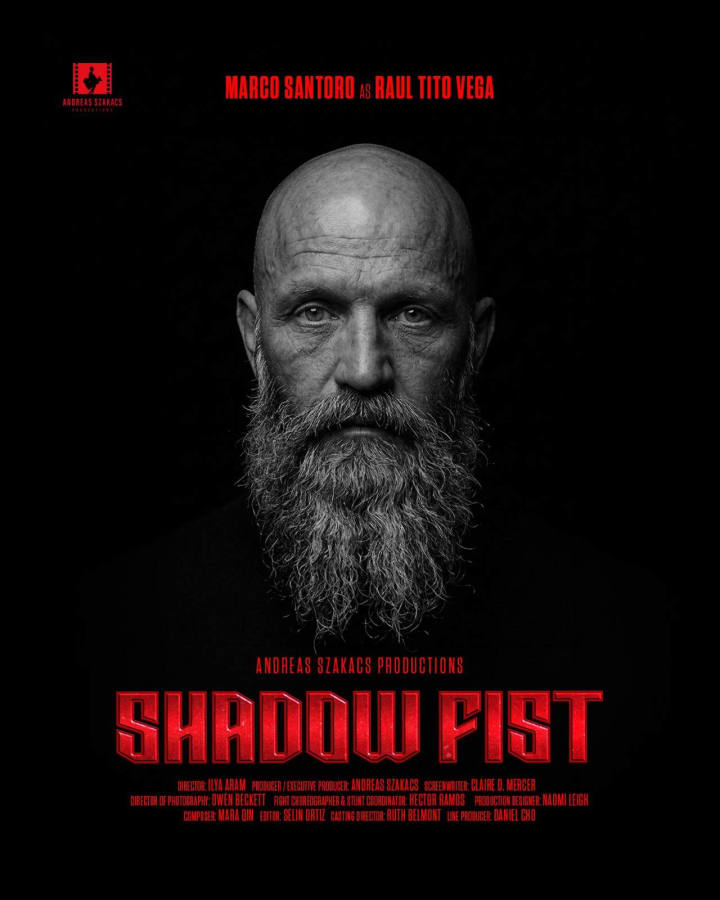
Like many classic sports dramas, Maya’s path is shaped by a mentor figure. She begins training under Raul “Tito” Vega, a veteran trainer who runs a small neighborhood gym.
Tito recognizes something in Maya beyond her desperation. Through strict training sessions and difficult lessons, he pushes her to develop real fighting skills and mental focus.
The relationship between fighter and trainer often forms the emotional core of sports films, and Shadow Fist appears to follow that tradition by exploring how mentorship can guide someone toward self-discovery.
A Dangerous Rival
Every fighter needs an opponent, and in Shadow Fist that role belongs to Daniel “Knuck” Reyes.
Reyes is the reigning champion of the underground fight scene — powerful, intimidating, and widely respected. His dominance inside the cage makes him both a legend and a looming obstacle for anyone trying to rise through the ranks.
As Maya continues to fight and improve, the possibility of facing Reyes becomes inevitable. Yet the film suggests that the most difficult challenge Maya faces may not be her opponent, but the emotional motivations driving her forward.
Is she fighting to survive, or fighting for revenge?
A Cast That Reflects the Film’s World
The film features a diverse ensemble cast designed to capture the gritty urban environment surrounding the underground MMA scene.
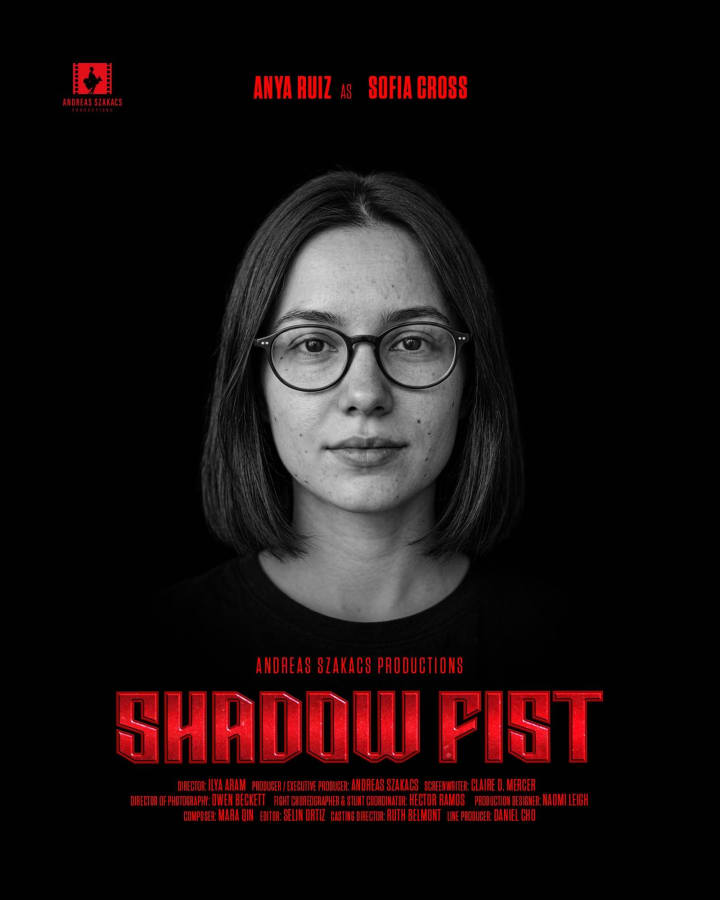
The central role of Maya Cross is played by Lena Hart, supported by actors including Marco Santoro, Victor Hale, and Anya Ruiz. Together, the cast helps create a world where every character has their own stake in the dangerous ecosystem of illegal fighting.
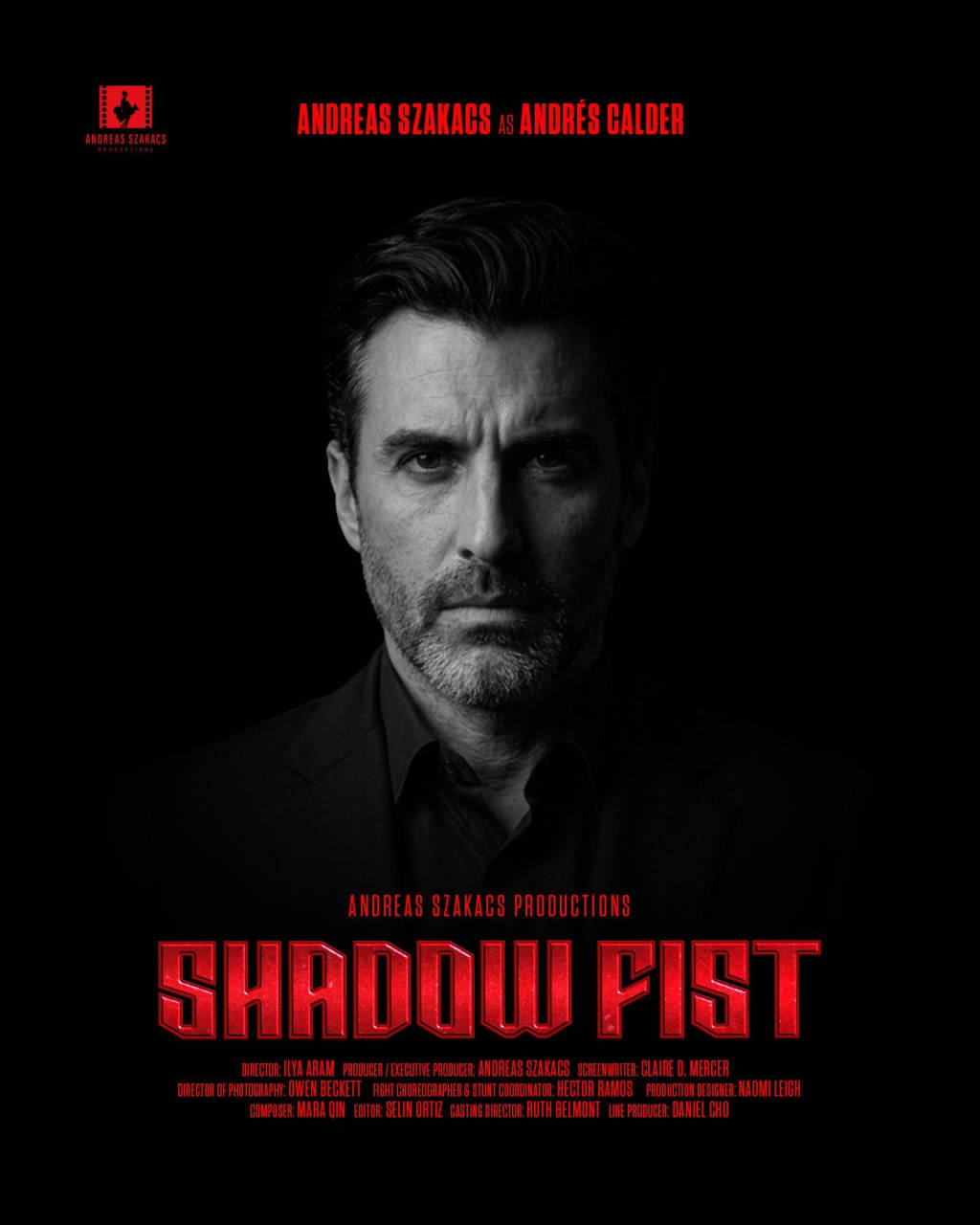
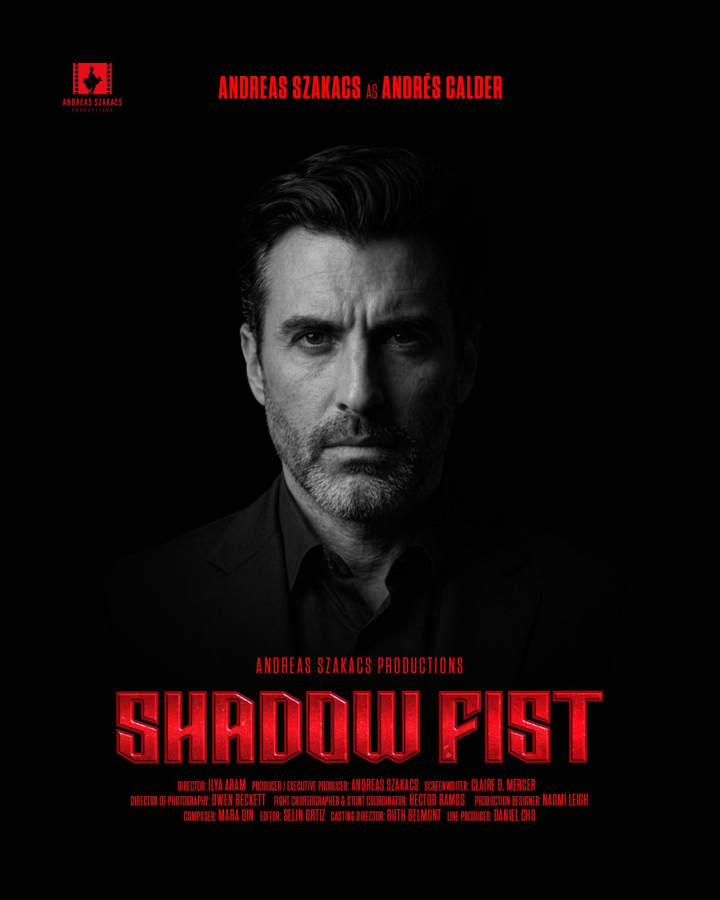
Producer Andreas Szakacs also appears briefly in the film in a cameo role as Andrés Calder, a documentary filmmaker who becomes fascinated by the hidden fight circuit.
Small appearances like this can add an interesting layer to the story, particularly when they reflect the growing interest in underground sports culture.
A Focus on Realism
One element that could help Shadow Fist stand out is its emphasis on realism. Many sports movies lean heavily on exaggerated fight sequences or stylized action, but this film aims for a more grounded approach.
The cinematography reportedly blends handheld camera work with more controlled fight-scene shots, creating a visual style that mirrors the chaotic nature of underground fighting while still allowing viewers to follow the technical aspects of MMA combat.
Fight choreography is another key element. Instead of relying on flashy cinematic moves, the film’s action scenes focus on techniques commonly seen in real mixed martial arts competition.
This approach may appeal to audiences who appreciate authenticity in sports storytelling.
Why Underground Fight Stories Continue to Fascinate Audiences
Stories about underground fighting have remained popular in cinema for decades because they represent more than physical competition.
They often explore themes such as:
Survival in harsh environments
Personal redemption
The search for identity
The cost of ambition
Shadow Fist seems to tap into those themes by presenting a character who enters the fight world not for glory, but because she has nowhere else to go.
That perspective shifts the focus away from victory and toward transformation.
The Appeal of Character-Driven Sports Dramas
Sports dramas work best when the audience becomes emotionally invested in the person behind the athlete. Whether the story involves boxing, wrestling, or mixed martial arts, the real tension comes from the character’s internal struggle.
In this sense, Shadow Fist appears to place equal importance on the personal story of Maya Cross and the physical battles she faces inside the cage.
If the film successfully balances those elements, it could resonate with viewers who enjoy character-driven storytelling rather than purely action-focused sports films.
A Story About More Than Fighting
Ultimately, Shadow Fist seems less interested in portraying MMA as spectacle and more interested in exploring the emotional reasons people fight in the first place.
For Maya Cross, stepping into the cage represents more than a chance to win money or respect. It becomes a way to confront the circumstances that forced her into the fight world and to discover what kind of strength truly defines her.
Independent films often succeed by focusing on human experiences that feel honest and relatable. If Shadow Fist captures that authenticity, it may stand out as a thoughtful addition to the growing landscape of independent sports dramas.
About the Creator
Keep reading
More stories from Andreas Szakacs and writers in 01 and other communities.
How Independent Filmmakers Are Rethinking Film Financing
Over the past decade, the economics of filmmaking have been quietly transforming. For many years, large studios controlled most aspects of film production, from financing to distribution. Today, however, independent filmmakers are discovering new ways to bring projects to life without relying entirely on traditional studio systems.
By Andreas Szakacsa day ago in Blush
Ensuring Product Stability and Compliance by Asphalt Equipment Manufacturers
Professional asphalt equipment manufacturers implement rigorous quality control measures and adhere to international standards to ensure product stability for global road projects. By focusing on design integrity, continuous testing, and compliance with regulations, manufacturers like Macroad establish trust in their products. Understanding these processes allows contractors to select reliable equipment that meets their specific project requirements in diverse environments.
By Macroad Asphalt Plant5 days ago in 01
From $5.9B to $19B: Why Data Is Powering the Rise of Payer Analytics in Healthcare
Healthcare systems worldwide generate enormous volumes of data every day—from insurance claims and billing records to patient demographics and treatment histories. As healthcare spending increases and reimbursement models shift toward value-based care, insurers and health plans must analyze this data effectively to remain sustainable. This is where payer analytics in healthcare is becoming a crucial technology foundation.
By Steve Waugh2 days ago in 01
Top tipple tricks
Been thinking a lot about drinking, lately. Not least because of a recent episode of over-indulgence and the inevitable after effects. Some readers may recall the earlier articles I wrote about beating the booze. Here I set out an experiment in techniques for cutting down on my alcohol intake. The experiment was successful, the techniques worked, and I have armed myself with an arsenal of weapons in the war against the demon drink. I have yet to fire the first round however. It's all a question of timing (perhaps procrastination).
By Raymond G. Taylor4 days ago in Psyche




Comments
There are no comments for this story
Be the first to respond and start the conversation.