
Oil Market is Volatile Again: What It Means for Global Energy and Traders
Oil Market volatility is shaking the world

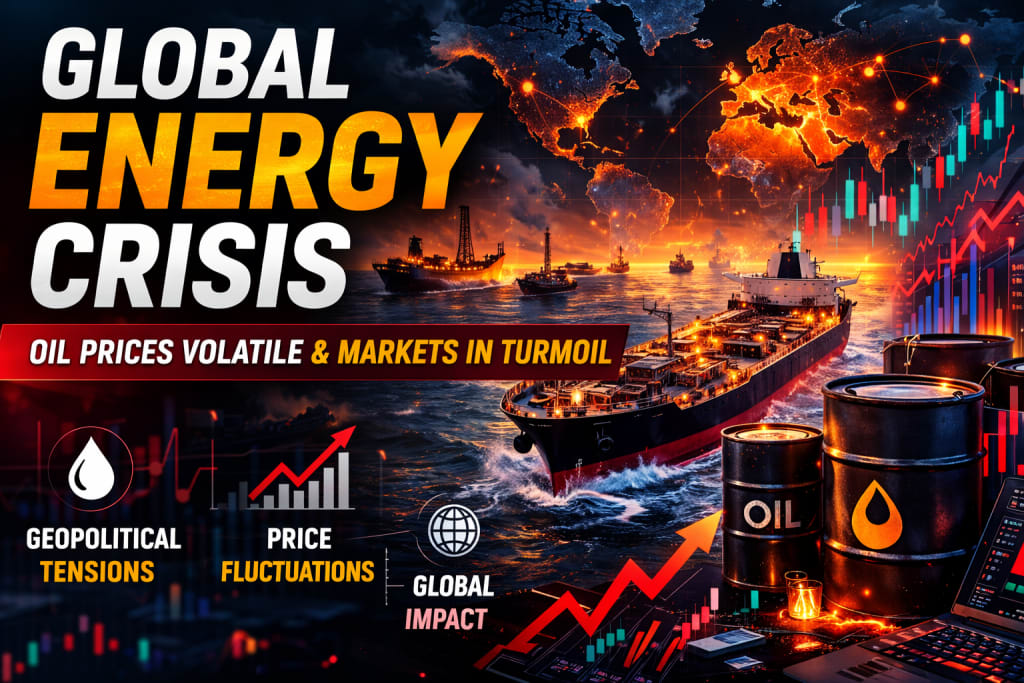
Global energy markets are once again at the center of attention after the United States introduced a temporary waiver allowing the purchase of certain Russian oil shipments that were already stranded at sea. The move has sparked intense discussions across financial markets, energy sectors, and geopolitical circles.
For traders, investors, and market watchers, this development represents more than just a policy change. It reflects the complex relationship between geopolitics, energy supply chains, and financial markets. In a time when global tensions are already high and energy prices remain sensitive to political developments, even a short-term decision like this can send ripples across multiple markets.
This article explores what the waiver means, why it was issued, how it may impact oil prices, and what traders and investors should watch in the coming weeks.
The Background: Why the Waiver Was Introduced
Over the past few years, global oil markets have been heavily influenced by sanctions, supply disruptions, and geopolitical conflicts. Sanctions on Russian energy exports were originally designed to limit revenue from oil sales and reduce economic leverage during geopolitical disputes.
However, global energy markets are delicate ecosystems. When supply suddenly becomes restricted, prices can rise rapidly, affecting economies worldwide. Higher oil prices impact transportation costs, manufacturing, inflation, and consumer spending.
The recent waiver was introduced as a temporary measure to allow certain Russian oil cargoes—already loaded onto tankers and stuck at sea due to sanctions compliance issues—to be legally purchased and delivered within a limited timeframe.
In other words, the decision does not represent a full reversal of sanctions. Instead, it serves as a short-term relief mechanism designed to prevent additional stress on global energy supply.
This type of move highlights how governments sometimes balance political objectives with economic stability.
Global Oil Markets: Already Under Pressure
Before the waiver announcement, oil markets were already experiencing heightened volatility. Several factors had contributed to the unstable environment:
- Ongoing geopolitical tensions in key oil-producing regions
- Concerns over disruptions in major shipping routes
- Rising global energy demand
- Strategic production decisions by major oil-producing nations
When supply uncertainty increases, oil traders tend to react quickly. Prices can surge within hours as market participants attempt to price in potential shortages.
The waiver announcement helped ease some of those concerns by signaling that additional oil supply could still enter the market.
Even though the measure is temporary, the psychological impact on markets can be significant. Traders often respond not only to actual supply changes but also to signals about future policy decisions.
Why Oil Markets React So Quickly
Oil is one of the most globally traded commodities, and its price is extremely sensitive to geopolitical developments.
Unlike many other commodities, oil supply chains involve multiple stages including extraction, shipping, refining, and distribution. A disruption at any point in this chain can create ripple effects across the entire global economy.
Financial markets also amplify these reactions because oil is heavily traded through futures contracts and derivatives. Traders constantly adjust their positions based on news headlines, economic indicators, and political decisions.
This means that a single policy announcement can trigger large price swings in both the energy markets and broader financial markets.
For example, changes in oil prices often influence:
- Currency markets, especially for oil-exporting countries
- Stock markets, particularly energy sector companies
- Inflation expectations and central bank policy outlooks
Because of these interconnected relationships, oil market developments rarely stay isolated within the energy sector.
Short-Term Relief vs Long-Term Uncertainty
While the waiver may temporarily ease supply concerns, it does not eliminate the underlying issues affecting global oil markets.
Energy markets remain exposed to several ongoing risks, including:
- Political instability in key oil-producing regions
- Potential disruptions to global shipping lanes
- Shifts in sanctions policy
- Production decisions by major oil alliances
These factors mean that volatility could remain elevated for the foreseeable future.
Short-term measures like the current waiver often act as market stabilizers rather than long-term solutions. They buy time for governments and institutions to address broader structural challenges.
From a market perspective, this means traders should continue expecting rapid price movements and frequent shifts in market sentiment.
The Role of Geopolitics in Energy Pricing
Geopolitics has always played a crucial role in determining oil prices. Since oil production is concentrated in certain regions, political developments in those areas often have global consequences.
Events such as conflicts, sanctions, diplomatic negotiations, and trade agreements can all influence energy supply.
In recent years, geopolitical influence on oil markets has intensified due to several overlapping factors:
- Increasing global energy demand
- Strategic competition between major powers
- Supply chain vulnerabilities exposed by global crises
- Environmental policies reshaping long-term energy strategies
Because of these dynamics, energy traders now monitor geopolitical news almost as closely as economic indicators.
What This Means for Traders
For traders in forex, commodities, and stock markets, developments in the oil sector can create both opportunities and risks.
Oil price movements can affect numerous trading instruments, including:
- Crude oil futures and commodity ETFs
- Energy company stocks
- Currency pairs linked to oil exports
- Global stock indices influenced by energy costs
When supply concerns increase, oil prices often rise quickly. Conversely, when markets anticipate additional supply or reduced demand, prices can fall just as rapidly.
The recent waiver highlights how policy decisions can shift market sentiment almost instantly.
Traders who follow energy markets closely often watch several indicators to anticipate potential price movements, such as:
- Inventory data from major oil consumers
- Production announcements from oil-producing nations
- Shipping activity in key maritime routes
- Political developments affecting energy policy
Staying informed about these factors can help traders better understand the forces driving market volatility.
Market Psychology and News-Driven Volatility
In today’s digital age, financial markets react to information faster than ever before. News spreads instantly across trading platforms, financial media, and social networks.
This rapid information flow means that sentiment can change within minutes.
Even rumors or preliminary reports can trigger significant price swings before the full details of a policy decision become clear.
The oil waiver announcement is a good example of how markets react not only to hard data but also to expectations and perceived future developments.
For traders, this emphasizes the importance of maintaining disciplined risk management strategies.
Looking Ahead: What Could Happen Next
As the global energy landscape continues evolving, several key developments could shape the next phase of oil market movements.
Among the most important factors to watch are:
- Future policy decisions regarding energy sanctions
- Changes in global oil production levels
- Developments affecting major shipping routes
- Economic growth trends influencing energy demand
If geopolitical tensions ease, oil prices could stabilize or decline as supply chains normalize.
However, if new disruptions occur, the market could experience another wave of price volatility.
Because of this uncertainty, analysts expect energy markets to remain highly reactive to global events throughout the coming months.
Final Thoughts
The recent waiver allowing the purchase of stranded Russian oil cargoes illustrates how interconnected geopolitics and global energy markets have become.
While the measure may provide short-term stability, it also highlights the fragile balance that policymakers must maintain between political objectives and economic realities.
For market participants, developments like this serve as reminders that the energy sector remains one of the most dynamic and unpredictable areas of global finance.
Oil prices will likely continue responding quickly to geopolitical headlines, policy decisions, and shifts in global supply.
In this environment, staying informed, monitoring market signals, and managing risk effectively will remain essential strategies for traders and investors alike.
As the global energy story continues to unfold, one thing is certain: the oil market will remain a central driver of financial market sentiment and economic discussions worldwide.
About the Creator
Daniel Reid
Technical & Finance Writer| Casual Trader| Web Content Strategist
X: https://x.com/DReid43887 IG: https://www.instagram.com/danielreidtsc/
Keep reading
More stories from Daniel Reid and writers in Earth and other communities.
Faster Growth with Intraday Trading or More Loss?
You've seen the posts. The sleek laptops, the exotic backdrops, the claims of "unlimited income" from "just a few clicks a day." It's the day trading dream: the ultimate shortcut to wealth, freedom, and endless financial swagger.
By Daniel Reidabout a month ago in Trader
The Sky Adorned with Stars: Nature’s Most Beautiful Crown
On a clear night, when the lights of cities fade and the air grows still, the sky reveals one of nature’s most breathtaking sights — a vast canvas filled with shining stars. The phrase “the sky adorned with stars” perfectly captures the beauty of this moment, as if the heavens themselves are wearing a glittering crown. For thousands of years, humans have gazed upward in awe, wondering about the countless lights scattered across the darkness.
By Irshad Abbasi 5 days ago in Earth


Comments
There are no comments for this story
Be the first to respond and start the conversation.