
GCC Halal Food Market Analysis: Key Drivers, Market Dynamics & Future Prospects
How Rising Muslim Population and Expanding Food Retail Are Driving the GCC Halal Food Market

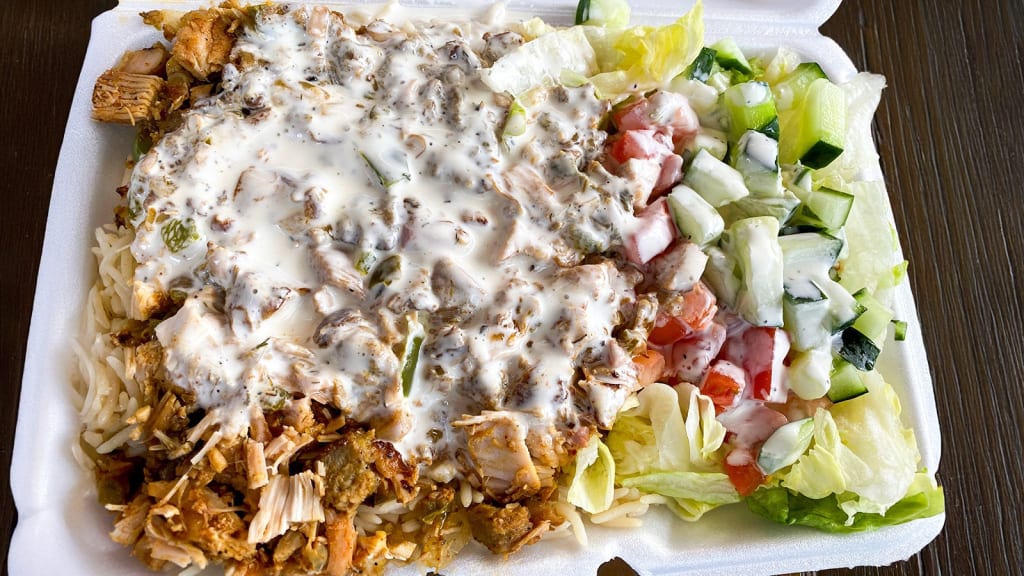
According to IMARC Group's latest research publication, "GCC Halal Food Market: Industry Trends, Share, Size, Growth, Opportunity and Forecast 2025-2033", The GCC halal food market size reached USD 65.10 Billion in 2024. Looking forward, IMARC Group estimates the market to reach USD 88.70 Billion by 2033, exhibiting steady growth during 2025-2033.
How Government Initiatives Are Reshaping the GCC Halal Food Market
- Saudi Arabia's Vision 2030 Halal Leadership: The Halal Products Development Company (HPDC), a subsidiary of the Public Investment Fund, signed strategic cooperation with the Saudi Exports Development Authority to launch the Halal Products Manufacturing Accelerator Program, positioning the Kingdom as a global halal hub.
- Strategic Investments Driving Local Production: HPDC invested in Aldella Food Production Company in 2025, while BRF entered a joint venture with a 70:30 stake split to advance halal meat production. JBS opened a $50 million facility to strengthen Saudi Arabia's domestic halal manufacturing capabilities.
- UAE's Infrastructure Expansion: AD Ports Group's Kezad Group signed a $272 million agreement with Al Ghurair Foods to establish three major food processing facilities in Abu Dhabi's Khalifa Economic Zones, elevating national food security and regional supply chain strength.
- Regulatory Harmonization Across GCC: The Gulf Standardization Organization updated GSO 2055-1 Halal Food standards in early 2026, creating unified certification requirements that simplify cross-border trade and strengthen consumer confidence across all six member states.
- E-Commerce and Digital Integration: Qatar Chamber and the Islamic Chamber of Commerce signed an agreement to establish a comprehensive digital platform for halal products, enhancing market transparency and connecting certified suppliers with consumers across the region.
Download a Free Sample Report Featuring Updated Market Data
GCC Halal Food Market Trends & Drivers:
The GCC halal food market is experiencing robust growth, powered by ambitious government-led initiatives and massive infrastructure investments. Saudi Arabia's Vision 2030 has positioned the Kingdom as a global halal leader, with the Public Investment Fund channeling billions into local production capabilities. The country aims to localize 85% of its food industry by 2030, creating thousands of jobs and reducing import dependency. The Halal Products Development Company is spearheading this transformation by investing in local producers and attracting global giants. Meanwhile, the UAE has secured six significant halal food deals between 2022 and 2024, ranking second globally for halal food-related agreements, cementing its role as a regional distribution hub for Middle East and North Africa markets.
The region's thriving tourism and hospitality sector is fueling unprecedented demand for premium halal-certified products. Dubai welcomed 11.17 million overnight visitors in the first seven months of 2025, representing a 5% increase year-over-year. Saudi Arabia's religious tourism, particularly Hajj and Umrah pilgrimages, drives significant foodservice demand, with millions of visitors requiring halal-certified meals, snacks, and beverages. Hotels, resorts, and restaurants across the GCC have expanded their halal offerings to meet diverse customer expectations. This trend has prompted international food chains and premium brands to introduce dedicated halal menus and certified product lines. The expanding middle class with higher disposable incomes is also choosing quality over price, driving demand for premium organic halal meat, fortified dairy products, and value-added convenience foods.
Digital transformation is revolutionizing how consumers access halal food across the GCC. E-commerce platforms and specialized halal online retailers are making it easier for urban consumers to browse, verify certifications, and purchase products from home. These platforms partner with certified suppliers to ensure product authenticity while offering everything from fresh produce and packaged goods to ready-to-eat meals. The digital channel grew substantially as younger demographics with busy lifestyles increasingly rely on online grocery platforms for frozen meats, dairy products, and prepared meals. Improved logistics infrastructure supports timely delivery, while mobile apps with QR-based verification systems help consumers confirm halal status instantly. Companies like Kitopi, a Dubai-based cloud-kitchen platform, are capitalizing on this shift by offering halal food and grocery delivery services, reflecting the growing demand for convenient, tech-enabled food solutions.
GCC Halal Food Industry Segmentation:
The report has segmented the market into the following categories:
Product Type Insights:
- Meat, Poultry & Seafood
- Fruits & Vegetables
- Dairy Products
- Cereals & Grains
- Oil, Fats & Waxes
- Confectionery
- Others
Distribution Channel Insights:
- Traditional Retailers
- Supermarkets & Hypermarkets
- Online
- Others
Regional Insights:
- Saudi Arabia
- UAE
- Oman
- Kuwait
- Qatar
- Bahrain
Competitive Landscape:
The competitive landscape of the industry has also been examined along with the profiles of the key players.
Recent News and Developments in GCC Halal Food Market
- January 2025: AIBarakah launched an exotic Arabian Nights-themed product showcase at Crowne Plaza in Ortigas Center, highlighting its halal-certified processed food range including protein snacks, corned beef variants, minced hash products, and 3-in-1 coffee alternatives, reflecting rising innovation in convenience foods.
- 2025: Saudi Arabia's Halal Products Development Company (HPDC) strategically invested in Aldella Food Production Company, a local producer of value-added food products, to reinforce the Kingdom's position in the global halal market and support domestic manufacturing capabilities.
- 2025: Brazilian food giant BRF entered a joint venture with HPDC (70:30 stake split) to advance the halal meat industry in Saudi Arabia, bringing global expertise to local innovation and strengthening the Kingdom's production capacity for export markets.
- February 2026: The GCC Standardization Organization released a primary draft for GSO 2055-1:2026 Halal Food - Part 1: General Requirements, updating the 2015 version and establishing fundamental criteria for halal classification across the region, with public consultation open until April 2026.
Note: If you require specific details, data, or insights that are not currently included in the scope of this report, we are happy to accommodate your request. As part of our customization service, we will gather and provide the additional information you need, tailored to your specific requirements. Please let us know your exact needs, and we will ensure the report is updated accordingly to meet your expectations.
About the Creator
Abhay Rajput
I am working in market research company that provides market and business research intelligence across the globe.
Keep reading
More stories from Abhay Rajput and writers in Futurism and other communities.
GCC Generic Injectables Market Outlook: Growth Drivers, Competitive Landscape & Emerging Trends
According to IMARC Group's latest research publication, "GCC Generic Injectables Market: Industry Trends, Share, Size, Growth, Opportunity and Forecast 2025-2033", The GCC generic injectables market size reached USD 761.0 Million in 2024. Looking forward, IMARC Group estimates the market to reach USD 1,893.0 Million by 2033, exhibiting a growth rate of 10.7% during 2025-2033.
By Abhay Rajputabout 23 hours ago in Futurism
The Dark Side of AI Nobody Talks About
Artificial intelligence is often described as one of the greatest technological breakthroughs of the modern world. From helping doctors analyze medical data to allowing businesses to automate complex tasks, AI is rapidly becoming part of everyday life.
By Baseer Shaheen 6 days ago in Futurism
Worth the Wait: Puerto Viejo, Costa Rica
Beach bumming in a small Caribbean beach town sounded like a perfect way to end our 6-month trip through Mexico and Central America. Or so we thought. The foul, fishy stench of rotten seaweed hit our nostrils as we stepped from the cramped bus and looked out at a rather depressing, empty, and underwhelming black sand beach. It was pouring with rain, and we had to quickly fish out our ponchos. We thought, this couldn’t be it, could it?
By Sh*t Happens - Lost Girl Travel7 days ago in Wander




Comments
There are no comments for this story
Be the first to respond and start the conversation.