
Saudi Arabia Lubricants Market: Industrial Expansion, Automotive Demand & Energy Sector Growth
How rising automotive demand, industrial expansion, and infrastructure development are driving innovation and efficiency across the Saudi Arabia lubricants market.

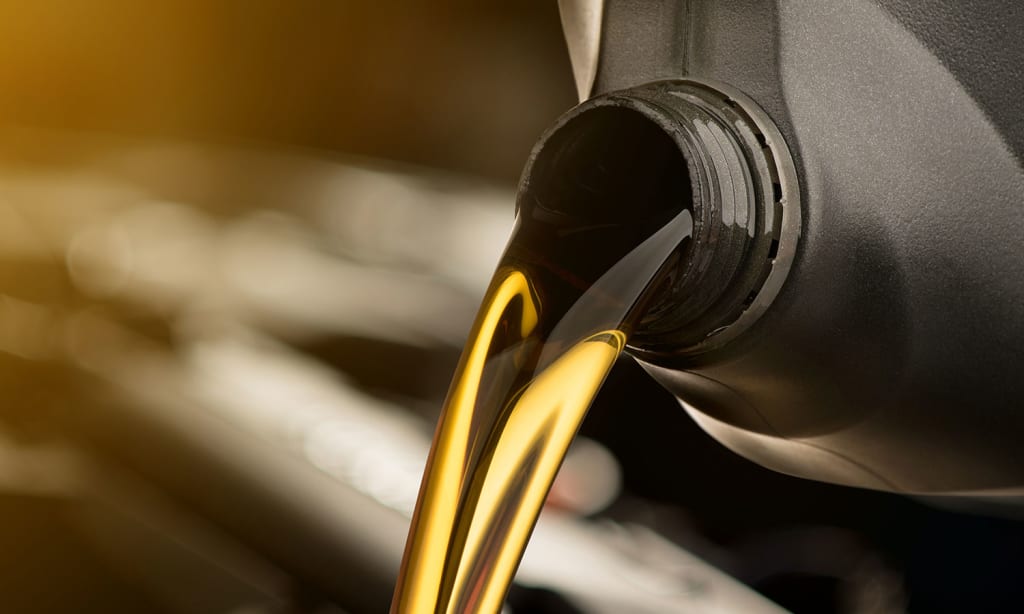
Saudi Arabia lubricants market size reached USD 1,352.4 Million in 2025. Looking forward, IMARC Group expects the market to reach USD 1,717.4 Million by 2034, exhibiting a growth rate (CAGR) of 2.69% during 2026-2034. The expanding growth of industries, such as automotive, manufacturing, construction, and mining, along with the increasing demand for lubricants to keep machinery and equipment running efficiently, is primarily driving the market.
Saudi Arabia's lubricants sector has quietly become one of the most strategically important markets in the GCC. With national consumption already exceeding 515 million litres annually — the highest in the region — and the country in the middle of a sweeping economic transformation under Vision 2030, this market is no longer just about engine oil. It has evolved into a direct indicator of how fast the Kingdom is industrializing, diversifying, and modernizing. From mega-construction projects like NEOM and Qiddiya to a doubling of female car owners, the forces shaping demand here are genuinely unlike anywhere else in the world.
Saudi Arabia Lubricants Market Growth Drivers:
- Automotive Sector Expansion and Rising Vehicle Ownership
Saudi Arabia's automotive market is growing at 9% in 2025 — triple the pace of previous years — fuelled by urbanization, a growing middle class, and the landmark 2018 policy allowing women to drive. Over 175,000 women received driving licenses in year one, with close to 4 million female car owners projected by 2030. Total vehicle sales crossed 616,000 units in 2022, up nearly 11% year-on-year. All of these vehicles require regular oil changes and maintenance, especially given the Kingdom's extreme heat, which accelerates lubricant degradation and increases consumption frequency. The automotive segment accounts for roughly 60% of total lubricant demand.
- Vision 2030 Industrial Expansion and Mega-Projects
The Saudi government's Vision 2030 agenda is directly inflating lubricant demand across industrial and infrastructure segments. Giga-projects — including NEOM, the Red Sea Development, and Qiddiya — require vast quantities of hydraulic fluids, gear oils, and industrial greases to keep heavy machinery running continuously. Saudi Arabia's Manufacturing Value Added reached USD 162.7 billion in 2022, up from USD 117.6 billion just a year prior. New Special Economic Zones are attracting global manufacturers, and the government has committed USD 293 billion to energy projects by 2030, all of which translate to durable, high-volume lubricant demand that will compound year after year.
- Power Generation, Mining, and Emerging Industrial Verticals
Beyond automotive and construction, Saudi Arabia's push into power generation, metallurgy, and heavy equipment sectors is opening fresh pockets of lubricant demand. The Kingdom's National Renewable Energy Program targets 9.5 GW of renewable capacity, with wind turbines, solar tracking systems, and generator infrastructure all requiring specialty lubricants. Steel production reached 9.9 million metric tons in 2023, with USD 12 billion in new projects underway, creating strong appetite for metalworking fluids and high-load greases. Power generation and heavy equipment end-users are growing segments, joining automotive as pillars of a market that is rapidly diversifying its demand base.
Saudi Arabia Lubricants Market Trends:
- Shift Toward Synthetic and High-Performance Lubricants
Saudi consumers and fleet operators are increasingly trading up from conventional mineral oils to synthetic and semi-synthetic formulations that offer extended drain intervals and better performance under extreme heat. Commercial fleet managers — who prioritize cost per kilometre over upfront price — have been early adopters of long-drain synthetics, with uptake accelerating as NEOM contractors and logistics operators demand lower maintenance downtime. Castrol and Petromin have both launched locally tailored product lines designed for Saudi operating conditions, and global brands like TotalEnergies have introduced eco-friendly synthetic variants targeting the Kingdom's growing hybrid vehicle segment.
- EV Readiness and Specialty Lubricant Innovation
Saudi Arabia's EV ambitions are opening an entirely new product category for lubricant manufacturers. Lucid Motors already has an assembly plant in King Abdullah Economic City, and the government has committed to purchasing up to 100,000 EVs over the next decade. Traditional engine oils may shrink in volume, but the demand for battery coolants, thermal management fluids, and EV-specific transmission lubricants is growing. AI-driven lubricant formulations launched by Saudi firms in September 2025 improved engine life by up to 20%, and robotics-backed manufacturing processes reduced production waste by 15% — both signals of a sector investing in next-generation capabilities rather than defending legacy products.
- Digital Distribution and Supply Chain Modernization
How lubricants reach consumers in Saudi Arabia is changing fast. Mix-and-match service centres, smartphone ordering apps, and e-commerce partnerships have made premium lubricants more accessible across urban and semi-urban areas. In July 2025, strategic public-private AI partnerships cut supply chain delays by 30% while improving quality control — a meaningful operational improvement for a market that spans the Kingdom's vast geography. Saudi Aramco's acquisition of Valvoline's global products business signals deeper domestic value-chain integration, while market leaders like Shell, ExxonMobil, and FUCHS are competing on service and accessibility, not just product specs.
Recent News and Developments in Saudi Arabia Lubricants Market:
- September 2025: AI-driven lubricant formulations launched by Saudi firms improved engine life by 20%, supporting green vehicle initiatives under Vision 2030 and reinforcing the sector's shift toward technology-driven product development.
- August 2025: Robotics-backed lubricant manufacturing processes reduced production waste by 15%, aligning with Saudi Arabia's sustainability and circular economy goals under Vision 2030's environmental pillars.
- July 2025: Strategic public-private AI partnerships optimized lubricant supply chains across Saudi Arabia, cutting distribution delays by 30% and enhancing quality control in the automotive sector.
- 2025 (Ongoing): Saudi Aramco's acquisition of Valvoline's global products business marked a landmark consolidation move, deepening domestic value-chain integration and signalling the Kingdom's intent to become a regional lubricant production and innovation hub by 2030.
Note: If you require specific details, data, or insights that are not currently included in the scope of this report, we are happy to accommodate your request. As part of our customization service, we will gather and provide the additional information you need, tailored to your specific requirements. Please let us know your exact needs, and we will ensure the report is updated accordingly to meet your expectations.
About the Creator
Kishan Kumar
My name is Kishan Roy and I am a market analyst having 5 years of experience and a skilled researcher with a keen eye for consumer trends and data-driven insights.
Keep reading
More stories from Kishan Kumar and writers in Futurism and other communities.
Saudi Arabia Fire Fighting Chemicals Industry: Industrial Fire Protection, Innovation & Infrastructure Expansion
Rising health awareness, busy lifestyles, and preference for convenient, nutritious foods are driving healthy snack demand, supported by clean-label trends, product innovation, and expanding retail and online distribution channels. According to IMARC Group's latest data, The Saudi Arabia fire fighting chemicals market size reached USD 25.7 Million in 2025. Looking forward, IMARC Group estimates the market to reach USD 34.8 Million by 2034, exhibiting a CAGR of 3.45% from 2026-2034.
By Kishan Kumar11 days ago in Futurism
AI Avatar Market Projected to Reach USD 63.5 Billion By 2034
According to recent market.us analysis, the Global AI Avatar Market is projected to reach approximately USD 63.5 billion by 2034, increasing from nearly USD 2.5 billion in 2024. This expansion reflects a strong 38.2% compound annual growth rate (CAGR) during the period from 2025 to 2034.
By Roberto Crum2 days ago in Futurism




Comments
There are no comments for this story
Be the first to respond and start the conversation.