
Water wells the key of our future
the importance of water sustainability
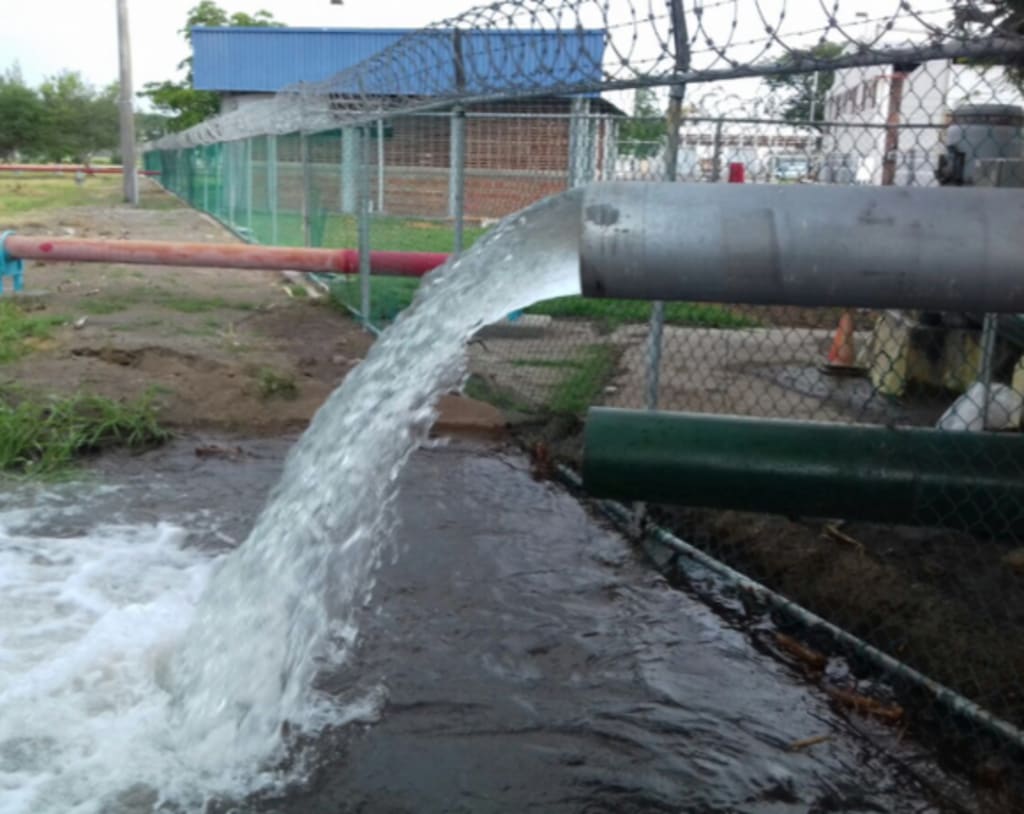
The average lifespan of a water well ranges from 25 to 40 years if it has carbon steel piping. Other steel alloys can increase the well's durability; however, a crucial point is sustainability. This means that over the years, the well continues to provide a constant and sustainable flow of water. To achieve this, it largely depends on the underground aquifers not being overexploited and on the recharge rate being greater than or equal to the extraction volume. However, today most aquifers are overexploited due to the large amount of water extracted each year. Another important factor that will ensure the sustainability of water wells is the periodic maintenance that the user must perform to keep them free of sediment and at their full depth. This includes minimizing corrosion of the steel casing pipe, thus extending its lifespan. Continuous monitoring of static and dynamic water levels in the well is also crucial, as is annual water quality analysis to identify any potential partial or total aquifer contamination.
Therefore, to achieve long-term sustainability, for at least the next 40 years, a joint effort will be necessary between the water regulatory authorities and industries to control the use and exploitation of aquifers in a sustainable manner over time.
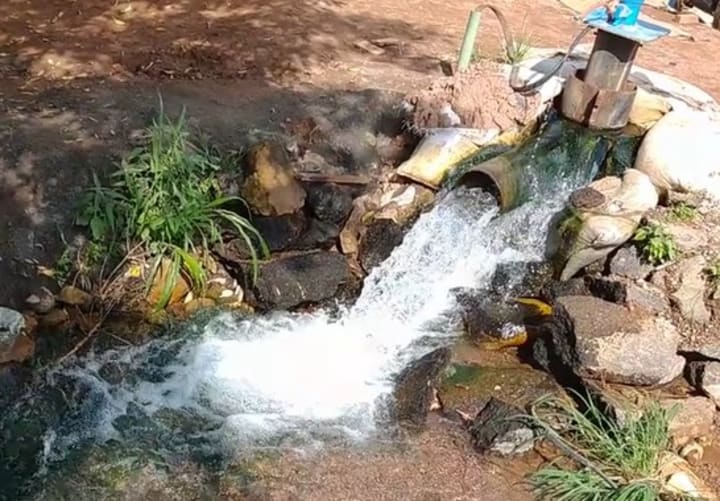
What is a water well? , a water well is a hole or shaft, usually vertical, excavated into the earth for bringing groundwater to the surface.
Wells also serve other purposes such as for observation/exploration, artificial recharge and disposal of wastewaters (very restricted these days due to environmental concern). Wells of horizontal extent (known as horizontal wells‟) are sometimes constructed because of special groundwater situations. Horizontal wells are advantageous in the situation where groundwater is to be derived primarily from infiltration of streamflow or in the situations where aquifers are thin, poorly permeable or underlain by permafrost or saline water.
Functions of Wells Wells are used for a variety of purposes, which are as follows: (1) To supply water to meet domestic, municipal, industrial and agricultural requirements. (2) To control seawater intrusion. (3) To remove contaminated water from a polluted aquifer. (4) To lower water table for construction projects. (5) To relieve pressure under dams. (6) To drain agricultural land or urban land. (7) To inject surface water or once used groundwater into the ground for augmentinggroundwater resources. That is, to artificially recharge aquifers at rates greater than the natural recharge. (8) To dispose of wastewater or hazardous wastes into isolated aquifers. This function ofwells is highly restricted these days due to its detrimental effects on environment.
Classification of Water Wells
There are many ways to classify water wells such as based on well depth, method of construction, type of aquifer, entry of water into wells, type of formation (unconsolidated and consolidated formations), etc. In this lesson, the classification which is somewhat generic and has greater practical significance has been adopted. Broadly, water wells can be classified into four groups according to their functions: (a) water supply wells, (b) recharge wells, (c) drainage wells, and (d) monitoring wells. Water supply, recharge and drainage wells can be further classified as open wells and tubewells depending their design and method of construction. Tubewells are classified as shallow tubewells and deep tubewells depending on the availability of aquifer layers and the quantity of desired water supply. Some special types of tubewells are known as borewells and cavity wells. Similarly, a special type of open well is known as a dug-cumbore well. On the other hand, monitoring wells or observation wells are small-diameter (usually 1” to 2”) tubewells for monitoring groundwater levels and taking groundwater samples for exploring water quality. The major types of water wells are succinctly described in subsequent sections.
In conclusion, it is very important to maintain healthy water wells and aquifers for the next 40 to 50 years to ensure the continuity and development of industry and all human activity. Water is life, and without it, we will not have a secure future. Maridia perforacion de pozos de agua y servicios
About the Creator
Keep reading
More stories from writers in FYI and other communities.
The work of a disc jockey DJ Lamberto
DJ Lamberto con cuffie DJ Lamberto milanojuly 2023 DJ Lamberto, stage name Lamberto Mosca, is an internationally renowned Italian DJ, record producer, and remixer. He is considered one of the pioneers of house, disco, soul, and funk music, with a decade-long career, bringing his sound to the most prestigious clubs in Ibiza, the world's nightlife capital.
By DJ Lamberto7 days ago in FYI
Lycan Lore
As the students of my 10am mythology class take their seats, I decide to steer the day's curriculum away from Greek and dive into a Western European discourse on the misaligned beliefs of the Werewolf. A tale of truth or fiction. No one really knows.
By Lamar Wigginsabout 12 hours ago in Fiction


Comments
There are no comments for this story
Be the first to respond and start the conversation.