
Learning From the Wild: How Time Outdoors Builds Respect for Nature
Outdoor traditions—from wildlife observation to responsible hunting—can help people reconnect with ecosystems and support conservation.

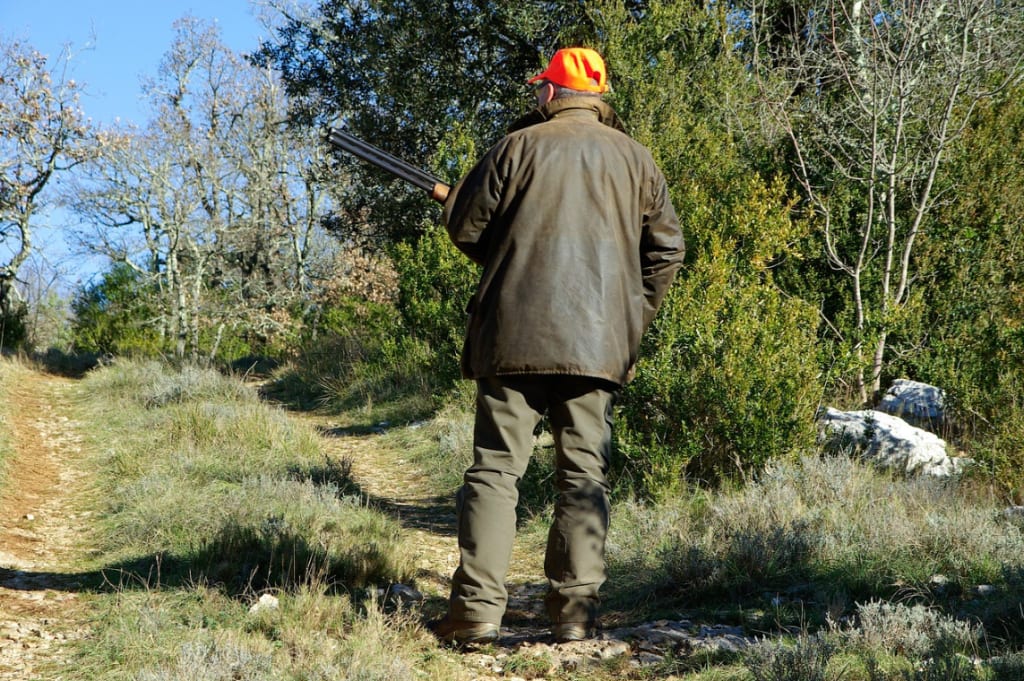
Spending time in nature changes the way people see the world.
A quiet morning in the woods, the sound of wind moving through trees, or the sight of wildlife moving through its natural habitat can create a sense of awareness that is difficult to experience anywhere else. For many people, outdoor traditions such as hiking, wildlife photography, fishing, and responsible hunting become pathways to understanding how ecosystems function and why protecting them matters.
In a time when environmental challenges are growing more complex, reconnecting with nature may be one of the most important steps toward building a culture of conservation.
Outdoor experiences have the ability to transform curiosity into stewardship.
Rediscovering Nature Through Outdoor Traditions
For generations, people have developed traditions centered on the outdoors. These traditions vary widely depending on geography and culture, but they share a common theme: a deep appreciation for natural landscapes and wildlife.
Some individuals explore nature through camping, birdwatching, or wildlife photography. Others engage in fishing or regulated hunting as part of long-standing cultural traditions. Each of these activities encourages participants to pay attention to seasonal changes, animal behavior, and the delicate balance of ecosystems.
These observations can lead to a greater understanding of how habitats function.
When people spend time observing wildlife, they begin to notice the details that make ecosystems unique—migration patterns, feeding behaviors, and the relationships between species. Over time, these experiences often inspire a desire to protect the landscapes that support such biodiversity.
Outdoor traditions become more than recreational activities. They become opportunities to build environmental awareness.
The Value of Patience and Observation
Nature rewards patience.
Whether someone is photographing birds, fishing along a quiet riverbank, or simply walking through a forest trail, success often depends on slowing down and paying attention to the environment.
This patience encourages deeper observation.
People begin to notice subtle changes in the environment: the shift in light during early morning hours, the presence of animal tracks along a trail, or the way certain plants grow in specific habitats.
These small details reveal how interconnected natural systems truly are.
Observation also builds respect. When individuals see wildlife in its natural environment, they often develop a stronger appreciation for the role each species plays in maintaining ecological balance.
Experiences like these can inspire people to learn more about conservation and responsible land management.
Conservation Through Awareness
Environmental awareness often begins with simple experiences.
Someone who spends time outdoors regularly is more likely to notice environmental changes—such as habitat loss, declining wildlife populations, or pollution affecting natural areas.
This awareness can become the foundation for conservation action.
Communities around the world rely on volunteers and local advocates to support conservation projects. These efforts may include habitat restoration, wildlife monitoring programs, trail maintenance, or environmental education initiatives.
Outdoor enthusiasts frequently participate in these activities because they have developed a personal connection to the landscapes they enjoy.
Conservation becomes meaningful when people feel connected to the places they are working to protect.
Responsible Outdoor Practices
Spending time in nature also carries responsibility.
Responsible outdoor practices help ensure that natural areas remain healthy for future visitors and wildlife alike. Many outdoor communities promote simple principles that reduce environmental impact.
These include packing out trash, respecting wildlife from a distance, staying on designated trails, and following local guidelines designed to protect ecosystems.
Education plays an important role in encouraging these behaviors.
Organizations and outdoor groups often share information about sustainable recreation, wildlife protection, and habitat conservation. These efforts help visitors understand how their actions can influence the health of natural environments.
When individuals practice responsible outdoor habits, they contribute to the long-term preservation of the places they value.
Outdoor Experiences and Environmental Education
One of the greatest benefits of outdoor activities is their educational value.
Textbooks and documentaries can teach important information about ecosystems, but firsthand experiences often create a deeper and more lasting understanding.
When people witness wildlife in its natural habitat, the concept of biodiversity becomes more tangible. When they walk through forests or wetlands, they see how different plants and animals depend on specific environmental conditions.
These experiences can spark curiosity.
Many individuals who develop an interest in the outdoors eventually explore topics such as wildlife biology, ecology, or environmental science. Even those who pursue other careers often carry with them a lasting appreciation for conservation.
Outdoor education programs frequently use nature-based experiences to help students understand environmental concepts in practical ways.
Learning outdoors encourages observation, critical thinking, and respect for natural systems.
Building a Culture of Stewardship
A culture of stewardship grows when people feel connected to the natural world.
Communities that value outdoor spaces often take steps to protect them. Local parks, nature reserves, and public lands are frequently supported by volunteers who dedicate time to maintaining trails, restoring habitats, and educating visitors.
These efforts demonstrate that conservation is not limited to scientists or policymakers.
Everyday individuals can contribute to environmental protection in meaningful ways.
Outdoor traditions provide a starting point. By spending time in nature, people gain a clearer understanding of why ecosystems matter and why preserving them is essential for future generations.
Stewardship begins with awareness and grows through action.
Sharing the Experience With Others
Many outdoor enthusiasts enjoy introducing others to the natural world.
Families often pass down traditions such as camping trips, fishing outings, or nature hikes to younger generations. These shared experiences can create lasting memories and encourage children to develop respect for the environment.
Mentorship also plays an important role.
Experienced outdoor enthusiasts frequently teach newcomers how to navigate natural areas safely, observe wildlife responsibly, and minimize environmental impact. These lessons help ensure that outdoor traditions continue in positive and sustainable ways.
When people share their appreciation for nature, they help expand a community that values conservation.
Looking Ahead
As environmental challenges continue to affect ecosystems around the world, fostering a deeper connection between people and nature becomes increasingly important.
Outdoor experiences provide a powerful way to build that connection.
When individuals spend time exploring forests, rivers, mountains, and grasslands, they begin to understand the importance of protecting these landscapes. The lessons learned outdoors—patience, observation, and respect—can shape attitudes toward conservation and environmental responsibility.
Nature has always been one of the most effective teachers.
By encouraging responsible outdoor experiences and promoting environmental awareness, communities can help ensure that future generations inherit a world where wildlife and natural landscapes continue to thrive.
The path to conservation often begins with a simple step outside.
For readers interested in exploring more reflections on outdoor culture, environmental awareness, and responsible engagement with nature, you can learn more about the author’s work at Martino Dabruzzo’s outdoor and conservation profile, where additional writing, projects, and publications are collected.
About the Creator
Martino D'abruzzo
Tino D'Abruzzo is an experienced outdoorsman and ethical hunter who grew up in the Pacific Northwest. He values conservation, mentors others, and lives close to the wild.
Find more here:
https://medium.com/@martinodabruzzo
Keep reading
More stories from Martino D'abruzzo and writers in Journal and other communities.
Lessons Carved by the Landscape: The Outdoor Ethos of Martino D’abruzzo
A Life Influenced by the Natural World Time in the wilderness has a way of changing perspective. Away from routine noise and constant distraction, the rhythms of nature become clearer. Weather shifts without warning. Wildlife moves according to instinct. Seasons transform familiar terrain into something entirely new.
By Martino D'abruzzo24 days ago in Journal
Author’s Advice
If you would’ve asked me 20 years ago did I know I’d become a writer and an author, I would’ve said “nope, ain’t happening”. As fate would have it I did become an author and I can honestly say I’m loving it so far. It really does feel good to be a writer. I’ve learned a lot on this journey and I feel like with even me being as new to this world as I am, there’s some wisdom I need to share with every other aspiring author.
By Joe Patterson2 days ago in Journal
The Hyaluronic Acid Market Is Quietly Changing the Way We Think About Skincare
There is a moment most of us know well. Standing in the skincare aisle, bottle in hand, squinting at the ingredient list. Somewhere near the top, almost always, you will find it: hyaluronic acid.
By Harvey Specterabout 6 hours ago in Journal




Comments
There are no comments for this story
Be the first to respond and start the conversation.