
Lebanon Appeals to Israel’s Allies to Stop Strikes as Civilian Death Toll Climbs
Lebanese leaders warn of humanitarian crisis and wider Middle East conflict as airstrikes continue.
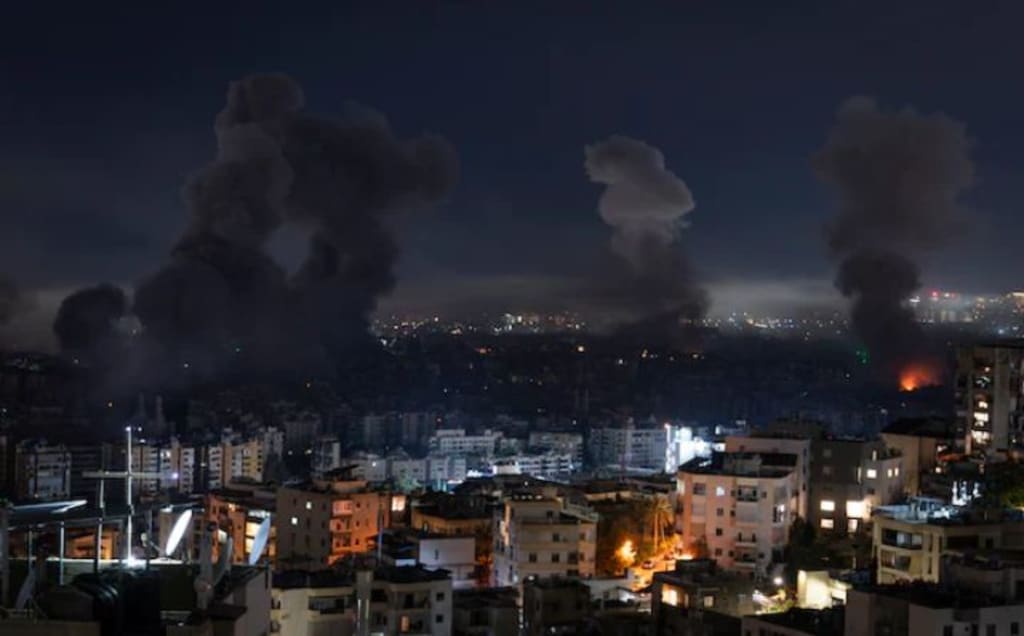
The latest escalation marks one of the most dangerous periods in the long-running tensions between Israel and armed groups operating inside Lebanon. Airstrikes have struck several areas across southern Lebanon and parts of the Bekaa Valley, damaging infrastructure, homes, and critical services. Hospitals are reporting increasing numbers of injured civilians, while rescue workers continue searching for survivors beneath the rubble of collapsed buildings.
Lebanon’s leadership says the strikes are causing unacceptable civilian suffering and could destabilize the already fragile country.
Lebanon Calls on Israel’s Allies to Intervene
Lebanese officials have directed their appeals particularly toward Western nations that maintain close diplomatic and military ties with Israel, including the United States and European governments. Beirut argues that these countries have the influence necessary to push for restraint and prevent further escalation.
In a series of statements, Lebanese authorities urged international partners to pressure Israel to halt what they described as “indiscriminate attacks” on populated areas. Government representatives said that while Lebanon supports the right of nations to defend themselves, the scale and intensity of the strikes have caused disproportionate harm to civilians.
Lebanon’s foreign ministry has also raised the issue in diplomatic channels at the United Nations, requesting urgent discussions aimed at de-escalation and protection of civilians. Officials warned that continued strikes risk sparking a broader confrontation that could engulf the region.
Rising Death Toll and Humanitarian Concerns
The human cost of the conflict continues to mount. Local authorities say dozens of people have been killed in recent strikes, with many more injured. Among the casualties are reportedly women and children, raising international concern about the safety of civilians caught in the crossfire.
Entire neighborhoods in southern Lebanese towns have been damaged or destroyed, forcing families to flee their homes. Thousands of residents have reportedly moved northward seeking safer areas, while humanitarian organizations warn that displacement could worsen an already severe economic crisis in the country.
Lebanon has been struggling with financial collapse, political instability, and limited resources for years. Aid agencies say the current escalation is stretching the country’s emergency response capabilities to the limit.
Hospitals in affected areas are struggling with shortages of medical supplies and staff as the number of wounded continues to rise. Relief groups have called for immediate humanitarian corridors to allow aid deliveries and evacuations.
Israel’s Position and Security Concerns
Israel has defended the strikes as necessary actions to counter threats from militant groups operating within Lebanon, particularly Hezbollah, which maintains a strong presence in the country’s south.
Israeli officials say their military operations are aimed at preventing attacks on Israeli territory and protecting civilians from rocket fire and other threats. They argue that militant infrastructure embedded in civilian areas complicates military operations and increases the risk of collateral damage.
The Israeli military has stated that it is targeting weapons storage facilities, command centers, and launch sites linked to militant groups. However, Lebanese officials dispute these claims, saying civilian areas are bearing the brunt of the strikes.
The situation has become increasingly tense as exchanges of fire across the border continue, raising fears that the conflict could spiral into a larger war between Israel and Hezbollah.
International Community Urges Restraint
Governments and international organizations have begun calling for calm as the violence escalates. Diplomatic efforts are underway to prevent the crisis from expanding further across the Middle East.
Several global leaders have expressed concern about the rising number of civilian casualties and the potential for wider instability. The United Nations has urged both sides to exercise restraint and adhere to international humanitarian law.
Peacekeeping forces deployed in southern Lebanon have also reported heightened tensions along the border, with concerns that miscalculations or further attacks could quickly trigger a larger confrontation.
Analysts say the involvement of regional actors and the fragile political environment in Lebanon make the situation particularly volatile.
Risk of Wider Regional Conflict
Experts warn that the ongoing strikes could draw additional parties into the conflict if the violence continues. Hezbollah has previously warned that large-scale attacks on Lebanese territory could provoke a stronger response.
A broader conflict involving Israel and Hezbollah would likely have serious consequences for the entire region. Previous wars between the two sides have resulted in widespread destruction in Lebanon and significant disruptions to regional security.
The current crisis is unfolding against a backdrop of already heightened tensions in the Middle East, raising fears that multiple conflicts could converge into a larger regional confrontation.
Lebanon’s Plea for Diplomacy
Lebanese leaders say diplomacy remains the only viable path to prevent further tragedy. They are urging world powers to step in quickly and use their influence to stop the airstrikes and push both sides toward dialogue.
Officials argue that continued violence will only deepen the humanitarian crisis and make future negotiations more difficult. Lebanon has called for renewed international engagement aimed at securing a ceasefire and stabilizing the border.
For many civilians caught in the conflict, the hope is that global pressure will bring a pause to the fighting before the situation deteriorates further. As rescue teams continue their work and families mourn those lost, Lebanon’s appeal to Israel’s allies underscores the urgent need for diplomatic solutions to prevent yet another devastating chapter in the region’s long history of conflict.
About the Creator
Ryan Gosling: Biography, Career, Movies, and Hollywood Influence
Ryan Gosling is one of Hollywood’s most versatile actors, known for films like The Notebook, La La Land, and Barbie. Discover Ryan Gosling’s biography, career highlights, awards, and influence on modern cinema
By Vincent Otiri4 days ago in Journal
10 Things You Should Do Now to Prepare for an AI-Dominated Future
Artificial intelligence is no longer something that exists in science fiction. It writes articles, composes music, diagnoses medical conditions, generates art, and can even run businesses. Some economists believe AI could transform the economy faster than the internet did.
By Navigating the Worldabout 2 hours ago in Journal


Comments
There are no comments for this story
Be the first to respond and start the conversation.