
The Quiet Power of Confidence Without Ego
How humility, discipline, and continuous learning create a stronger and more sustainable form of confidence

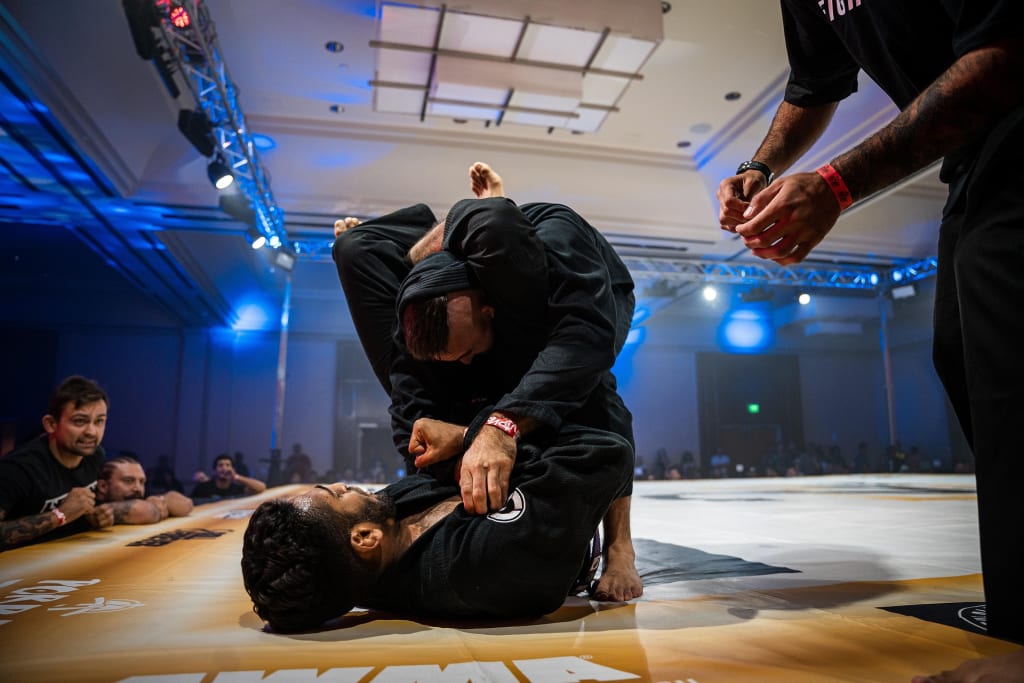
In a world that rewards loud personalities and constant self-promotion, confidence is often confused with ego. Social media encourages people to project certainty, success, and superiority. Yet beneath that surface, the most capable people in many disciplines share a different trait: quiet confidence.
Confidence without ego is not about pretending to be humble or minimizing your achievements. It is about understanding your abilities honestly while remaining open to growth, learning, and correction. This balance creates resilience and long-term improvement.
Few environments reveal this difference as clearly as Brazilian Jiu-Jitsu.
Learning Through Pressure
Brazilian Jiu-Jitsu is a martial art built around leverage, technique, and problem-solving under pressure. Unlike many competitive activities, success in Jiu-Jitsu is not determined by strength alone. Smaller practitioners regularly defeat larger opponents through positioning, timing, and strategy.
When someone first begins training, they quickly discover something surprising: confidence cannot be faked.
A new student might arrive believing they are strong, athletic, or naturally talented. Within minutes of sparring with a more experienced practitioner, those assumptions disappear. Techniques they thought would work fail. Movements feel awkward. Situations become difficult to escape.
At first, this experience can be humbling or even frustrating.
But over time, something valuable begins to develop. Students realize that progress comes from patience and consistent effort rather than from protecting their ego.
This is where true confidence begins.
The Difference Between Confidence and Ego
Ego often pushes people to prove themselves. It seeks validation through comparison, dominance, or recognition. When ego drives behavior, mistakes become threatening because they challenge the identity someone has created.
Confidence works differently.
Confidence accepts mistakes as information. Instead of resisting feedback, confident individuals use it as a tool for improvement. They understand that skill is built gradually through repetition and reflection.
This mindset leads to a powerful shift. Rather than focusing on appearing skilled, a person begins focusing on actually becoming skilled.
That difference may sound subtle, but it changes everything.
In martial arts training, for example, someone driven by ego might avoid training with stronger partners because losing feels uncomfortable. Someone guided by confidence will do the opposite: they will seek out challenging training partners because those experiences accelerate growth.
Confidence without ego is not passive. It is disciplined and purposeful.
The Role of Humility in Growth
Humility is often misunderstood as weakness. In reality, humility is simply an accurate assessment of where you currently stand.
In training environments, humility allows practitioners to ask questions, repeat fundamentals, and accept correction from coaches and teammates. These behaviors accelerate learning.
Without humility, improvement slows dramatically. Ego encourages shortcuts, denial, and defensiveness.
Many experienced practitioners eventually realize that the most valuable lessons often come from failure. Being caught in a difficult position forces you to understand the mechanics of escape. Losing a match reveals the gaps in your preparation.
Instead of damaging confidence, these moments strengthen it.
Why? Because confidence built through experience becomes durable.
It is not dependent on praise or external validation. It comes from knowing that you have faced challenges, learned from them, and improved.
Quiet Confidence in Everyday Life
The mindset developed through disciplined practice extends far beyond martial arts.
Confidence without ego can shape how people approach careers, relationships, and personal goals.
In professional environments, for example, individuals who operate with quiet confidence are often more effective collaborators. They listen carefully, evaluate ideas objectively, and adapt when necessary.
Because their identity is not tied to being right all the time, they can focus on solving problems rather than defending positions.
This approach also builds trust. Colleagues recognize when someone is motivated by progress instead of personal recognition.
The same principle applies to leadership.
Leaders guided by ego tend to seek control and authority. Leaders guided by confidence tend to empower others. They understand that collective success often depends on creating opportunities for people around them to grow.
Ironically, this style of leadership often produces stronger results and deeper respect.
Discipline Over Image
Modern culture often rewards appearance over substance. Online platforms encourage people to highlight victories while hiding struggles. The result is a constant pressure to look successful rather than to become skilled.
Confidence without ego resists this temptation.
Instead of focusing on image, the emphasis shifts to discipline. Small, consistent actions become the foundation for improvement.
In martial arts training, this might mean drilling the same technique hundreds of times until it becomes instinctive. In professional life, it might involve refining a craft through years of deliberate practice.
These processes are rarely glamorous. Progress is often slow and sometimes invisible.
Yet over time, the results become undeniable.
Confidence grows not because someone tells you that you are capable, but because your actions repeatedly demonstrate it.
Embracing the Beginner’s Mindset
One of the most valuable attitudes in skill development is what many practitioners call the “beginner’s mindset.”
This perspective encourages curiosity, openness, and a willingness to learn. It allows people to approach challenges without the pressure of proving themselves.
Interestingly, experienced practitioners often return to this mindset after years of training.
They realize that mastery is not a fixed destination but an ongoing process. Each new technique, strategy, or opponent offers another opportunity to learn.
Maintaining this curiosity prevents stagnation.
It also protects against the trap of ego, which tends to appear when people believe they have already learned everything they need to know.
Confidence without ego keeps the learning process alive.
The Strength of Consistency
Another lesson that emerges from disciplined practice is the power of consistency.
Many people begin new pursuits with enthusiasm, but motivation alone rarely sustains long-term progress. What truly creates results is the ability to continue showing up, even when improvement feels slow.
Confidence grows during these quiet periods.
Each training session, each lesson, and each small adjustment adds another layer of experience. Over time, these layers create a solid foundation of skill and understanding.
Eventually, what once felt difficult becomes natural.
This transformation is one of the most rewarding aspects of any challenging discipline. It reminds us that confidence is not something we suddenly acquire. It is something we build gradually through commitment.
A Different Kind of Strength
Confidence without ego represents a different kind of strength.
It is not loud or aggressive. It does not require constant validation. Instead, it reflects a calm awareness of one’s abilities combined with a willingness to keep improving.
This mindset encourages patience, resilience, and humility.
In environments like Brazilian Jiu-Jitsu, where skill development happens through direct experience, the value of this mindset becomes obvious. Those who cling to ego struggle to progress. Those who embrace learning continue evolving.
The lesson applies far beyond the training mat.
Whether pursuing a creative career, developing professional expertise, or working toward personal goals, the same principle remains true: real confidence grows from effort, honesty, and persistence.
When ego fades, progress accelerates.
And in that quiet space between humility and determination, something powerful emerges — the ability to keep learning, adapting, and improving for a lifetime.
For more reflections on mindset, discipline, and personal growth, explore more articles by Thomas Czerniejewski on Vocal
About the Creator
Thomas Czerniejewski
Thomas Czerniejewski is a dedicated Brazilian jiu-jitsu practitioner and passionate advocate for the martial art.
More about me here: https://solo.to/thomasczerniejewski
Keep reading
More stories from writers in Journal and other communities.
Tiles 101: A Practical Guide to Choosing the Right Tile for Your Space
Tile has remained one of the most versatile and reliable building materials used in homes and commercial spaces. From kitchens and bathrooms to entryways and patios, tiles offer a combination of durability, style, and easy maintenance that few flooring options can match. Understanding the different types of tile and how they perform in various environments can help homeowners and property managers make more informed decisions.
By Jillian Rowe2 days ago in Journal
Inspection Drones Market Enabling Safer and Smarter Infrastructure Monitoring
The Flying Inspector Above Critical Infrastructure Across industries such as energy, utilities, construction, and transportation, infrastructure inspection is essential for safety and operational efficiency. Traditionally, inspections required manual labor, scaffolding, helicopters, or technicians working in hazardous environments.
By james roberta day ago in Journal
TUS NUA - ch 53
TUS NUA – ch 53 New Beginnings – Mia and Midnight (*)(*)(*) Finola knew Ali’s brother-in-law needed to put his mind at rest. She fed her arm through his and led him outside. “We’ll sit here. If you like, I can put a block around us so our conversation will be private.”
By Margaret Brennan4 days ago in Fiction


Comments
There are no comments for this story
Be the first to respond and start the conversation.