
U.S. Accuses 16 Trading Partners of Unfair Practices and Opens Investigation
Washington Launches Broad Trade Probe That Could Reshape Global Commerce Global trade tensions have intensified after
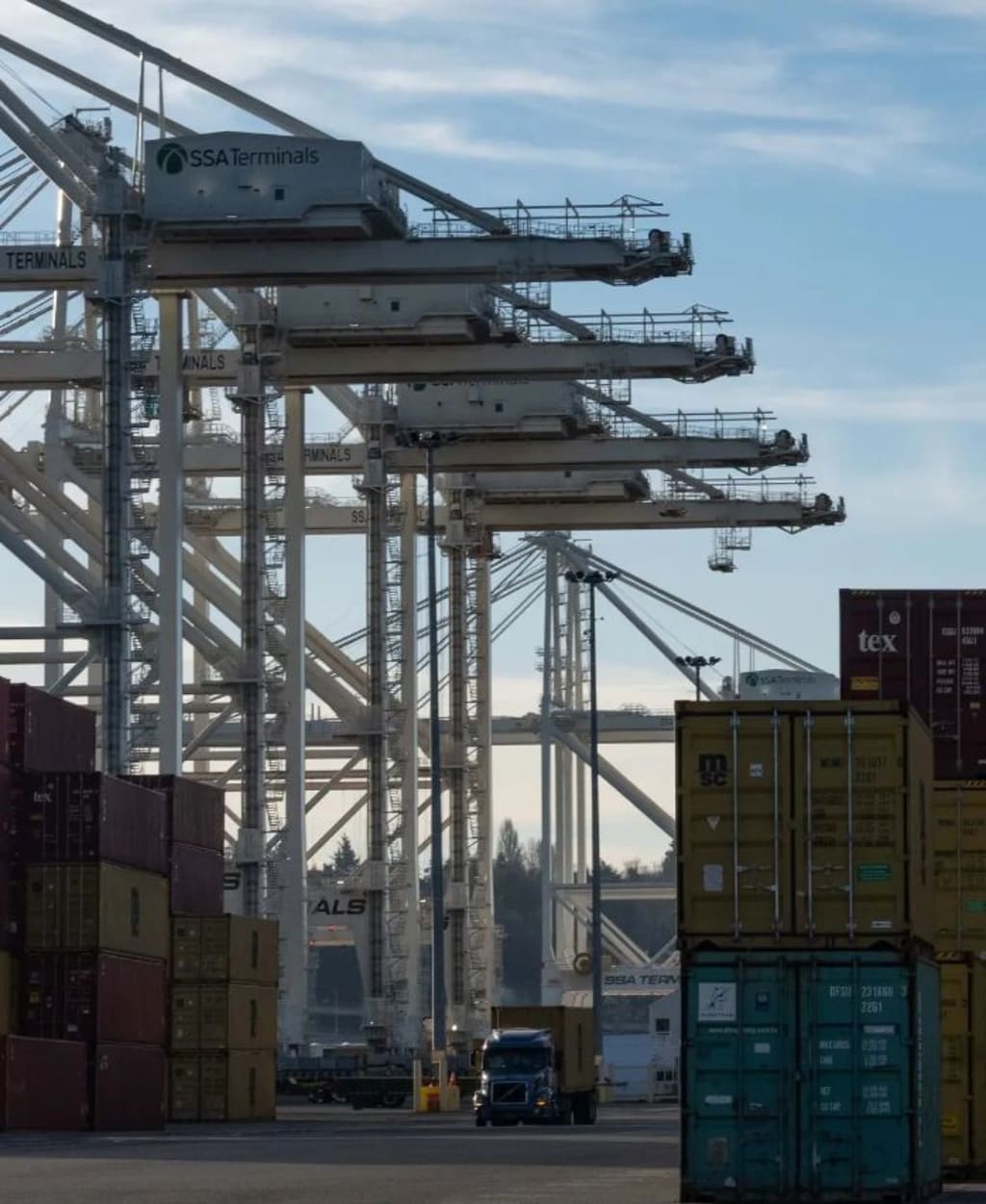
Global trade tensions have intensified after the United States government announced a sweeping investigation into alleged unfair trade practices by 16 of its trading partners. The move signals a more aggressive approach toward protecting American industries and could lead to tariffs, trade penalties, or negotiations aimed at rebalancing international commerce.
The investigation, launched by the Office of the United States Trade Representative (USTR), seeks to determine whether certain countries are engaging in policies that disadvantage American companies and workers. Officials say the probe will examine issues ranging from subsidies and market access restrictions to digital trade barriers and intellectual property concerns.
While the United States has frequently raised concerns about trade fairness in the past, this large-scale review marks one of the most comprehensive examinations of global trade practices in recent years.
A Broad Review of Trade Policies
According to officials at the Office of the United States Trade Representative, the investigation will examine how certain foreign governments structure trade regulations that may create obstacles for American exports.
The inquiry will evaluate several key areas:
Government subsidies that provide unfair advantages to domestic companies
Import restrictions that limit access for U.S. goods
Technology and data regulations that affect digital trade
Intellectual property protections that impact American innovators
U.S. officials argue that some trading partners maintain policies that distort markets and undermine fair competition. By opening a formal investigation, Washington aims to collect evidence and potentially pursue remedies under international trade rules.
The investigation could take months to complete, but analysts say the outcome may have significant consequences for global trade relationships.
Protecting American Industries
The administration has framed the investigation as part of a broader effort to protect American manufacturing, agriculture, and technology sectors.
Officials say that while international trade remains vital to the U.S. economy, it must occur on fair terms. They argue that unfair practices can lead to job losses, reduced competitiveness, and supply chain vulnerabilities.
In recent years, industries ranging from steel and semiconductors to agriculture have raised concerns about uneven trade rules. Companies claim that some foreign governments offer heavy subsidies or impose regulations that make it difficult for American products to compete.
Trade experts say the investigation reflects growing bipartisan support in Washington for stricter oversight of international trade practices.
Global Reactions and Diplomatic Concerns
The announcement has sparked mixed reactions among U.S. trading partners.
Some governments have expressed concern that the probe could lead to new tariffs or retaliatory measures, potentially escalating trade tensions. Others have indicated they are willing to cooperate with U.S. authorities and address any legitimate concerns.
Economists warn that trade disputes between major economies can ripple across global markets. Supply chains today are deeply interconnected, meaning changes in trade policies can affect industries far beyond the countries directly involved.
At the same time, supporters of the investigation argue that enforcing fair trade rules ultimately strengthens the global trading system.
Potential Impact on Businesses and Consumers
If the investigation finds evidence of unfair practices, the United States could take several actions.
Possible outcomes include:
Imposing tariffs on certain imports
Negotiating new trade agreements or policy changes
Filing formal disputes through international trade organizations
Restricting access to the U.S. market for certain products
For American businesses, the results could open new export opportunities if foreign markets become more accessible. However, retaliatory measures by other countries could also increase costs for U.S. exporters.
Consumers may also feel the effects if tariffs raise prices on imported goods. Past trade disputes have shown that while tariffs can protect domestic industries, they can also increase costs for businesses that rely on imported components.
A Changing Global Trade Landscape
The investigation reflects broader shifts in global economic policy. Governments around the world are increasingly prioritizing domestic industries, supply chain resilience, and national economic security.
In the United States, concerns about strategic industries—such as advanced manufacturing, technology, and energy—have pushed policymakers to take a closer look at international competition.
Analysts say this trend is not unique to the U.S. Many countries are implementing industrial policies, subsidies, and trade protections designed to strengthen their economies.
As a result, disputes over trade fairness are likely to become more common in the coming years.
What Happens Next
The investigation process will involve consultations with businesses, industry groups, and international partners. Officials will review data, collect testimony, and analyze the impact of foreign trade policies on American industries.
Once the review is complete, the Office of the United States Trade Representative will determine whether to pursue enforcement actions or negotiations.
Trade experts say diplomacy will likely play a major role. In many cases, disputes are resolved through negotiations rather than penalties.
However, the investigation also sends a clear signal that the United States is prepared to challenge policies it views as unfair.
The Bigger Picture
The decision to investigate 16 trading partners highlights the growing complexity of global commerce. As economies become more interconnected, disputes over regulations, subsidies, and market access have become increasingly common.
For policymakers in Washington, the challenge is balancing open trade with the need to protect domestic industries. For global partners, the task is maintaining cooperation while addressing national economic priorities.
The outcome of this investigation could influence not only U.S. trade policy but also the broader direction of international trade rules.
Whether it leads to negotiations, reforms, or new trade barriers, one thing is clear: the debate over fair trade is far from over, and the decisions made in the coming months could reshape economic relationships around the world.
About the Creator
Unlock Your Imagination: Style, Color, or Transform Images with OpenArt AI
The world of digital art and image creation has been revolutionized by artificial intelligence, and at the forefront of this transformation is OpenArt AI. This powerful platform empowers users to effortlessly style, color, or completely transform images using simple text prompts. Whether you're a professional designer, a hobbyist, or just curious about AI's creative potential, OpenArt AI is here to turn your visual ideas into reality.
By Jason Willabout 22 hours ago in Journal
Lycan Lore
As the students of my 10am mythology class take their seats, I decide to steer the day's curriculum away from Greek and dive into a Western European discourse on the misaligned beliefs of the Werewolf. A tale of truth or fiction. No one really knows.
By Lamar Wigginsabout 8 hours ago in Fiction



Comments
There are no comments for this story
Be the first to respond and start the conversation.