
The Rise and Impact of World War II
World war 1939 to 1945

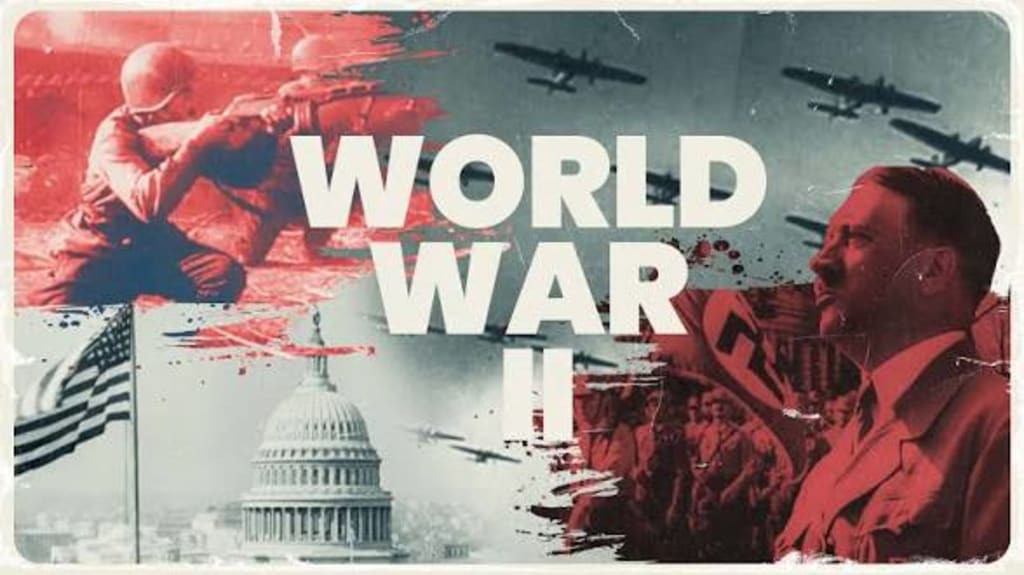
World War II, which lasted from 1939 to 1945, was the deadliest and most widespread conflict in human history. It involved over 100 million people from more than 30 countries, reshaping the global political landscape and leaving a legacy that continues to influence the world today.
Causes and the Rise of the Conflict
The roots of World War II can be traced to unresolved issues from World War I. The Treaty of Versailles (1919) imposed harsh penalties on Germany, causing economic hardship and national resentment. In the 1930s, the rise of totalitarian regimes in Germany, Italy, and Japan fueled aggressive expansionist policies. Adolf Hitler, leading the Nazi Party in Germany, sought to reclaim lost territories and establish dominance over Europe. Meanwhile, Italy under Benito Mussolini aimed to recreate a Roman Empire, and Japan pursued control over Asia and the Pacific.
Economic instability, nationalism, and the failure of the League of Nations to enforce peace created a volatile environment. Germany’s invasion of Poland on September 1, 1939, triggered the war as Britain and France declared war on Germany. This marked the beginning of a global conflict that would engulf multiple continents.
Major Events and Turning Points
World War II witnessed some of the largest and most brutal battles in history. Early German victories in Europe, including the rapid conquest of France and the Low Countries, showcased the effectiveness of Blitzkrieg (lightning warfare). The Battle of Britain in 1940 demonstrated the resilience of civilians and air forces, as the United Kingdom resisted intense aerial bombardment.
In 1941, Germany invaded the Soviet Union in Operation Barbarossa, opening the Eastern Front and causing massive casualties. At the same time, Japan attacked Pearl Harbor on December 7, 1941, drawing the United States into the war. This transformed the conflict into a truly global war, stretching from Europe to North Africa, Asia, and the Pacific islands.
The turning points of the war included the Battle of Stalingrad (1942-1943), where the Soviet Union halted the German advance, and the Battle of Midway (1942), where the United States gained naval superiority over Japan. The Allied invasion of Normandy on June 6, 1944 (D-Day), marked the beginning of the liberation of Western Europe from Nazi control.
Human Cost and Destruction
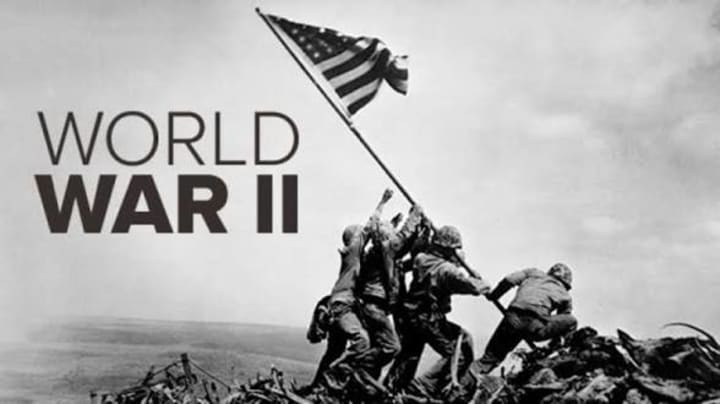
World War II resulted in unprecedented loss of life and destruction. Estimates suggest that 70-85 million people died, including soldiers and civilians. The Holocaust, orchestrated by Nazi Germany, led to the systematic genocide of six million Jews, along with millions of Romani people, disabled individuals, and political opponents. Cities were destroyed, economies shattered, and millions were displaced.
In addition to human suffering, the war brought technological advancements and changed warfare tactics. Tanks, aircraft, and submarines became more advanced, and strategic bombing campaigns caused massive civilian casualties. The atomic bombings of Hiroshima and Nagasaki in August 1945 ended the war in the Pacific but introduced the world to the devastating power of nuclear weapons.
Global Impact and Legacy
The aftermath of World War II reshaped the international order. Europe lay in ruins, prompting the creation of the United Nations in 1945 to prevent future global conflicts. The United States and the Soviet Union emerged as superpowers, beginning the Cold War era. Decolonization accelerated in Asia and Africa as colonial powers weakened, leading to independence movements worldwide.
Economically, the Marshall Plan helped rebuild Western Europe, while Japan underwent significant reconstruction and modernization. Politically, international institutions, human rights initiatives, and treaties emerged to promote cooperation and prevent future atrocities.
Culturally, World War II influenced literature, film, and art, shaping how societies remember and interpret war. Memorials and museums continue to educate new generations about the sacrifices made during this global conflict.
Conclusion
The rise of World War II was rooted in political, economic, and social tensions that exploded into global warfare. Its impact was immense—reshaping borders, power structures, and international relations. Beyond the statistics and strategies, the war serves as a stark reminder of the consequences of hatred, aggression, and unchecked ambition. Studying this period is essential not only to honor the victims but also to understand the importance of diplomacy, peace, and collective responsibility in the modern world
About the Creator
shaoor afridi
“I am a passionate writer dedicated to sharing informative, engaging, and well-researched articles. My goal is to provide valuable content that educates, inspires, and adds real value to readers.”
Keep reading
More stories from shaoor afridi and writers in Serve and other communities.
The Impact of World War I: Global Changes and Costs
World War I, often called the Great War, was a conflict that reshaped the political, social, and economic landscape of the 20th century. Beginning in 1914 with the assassination of Archduke Franz Ferdinand of Austria-Hungary, the war quickly escalated due to complex alliances, rising nationalism, and militarism in Europe. Nations including Germany, Austria-Hungary, Britain, France, Russia, and eventually the United States were drawn into a conflict that would last four brutal years and leave an indelible mark on the world.
By shaoor afridi6 days ago in Serve
Behind the Kosher Seal: Understanding Kosher Requirements and the Koshering Process
Walk through any modern supermarket and you’ll notice a small symbol on many food packages indicating kosher certification. For some consumers, it represents adherence to Jewish dietary laws. For others, it signals high standards of quality, transparency, and trust. But what actually lies behind that small seal?
By klbdkosher4 days ago in Serve
TUS NUA - ch 53
TUS NUA – ch 53 New Beginnings – Mia and Midnight (*)(*)(*) Finola knew Ali’s brother-in-law needed to put his mind at rest. She fed her arm through his and led him outside. “We’ll sit here. If you like, I can put a block around us so our conversation will be private.”
By Margaret Brennan4 days ago in Fiction



Comments
There are no comments for this story
Be the first to respond and start the conversation.