
How Supply Chain Disruptions Affect Aircraft Parts Availability
Ensuring Aircraft Parts Remain Available

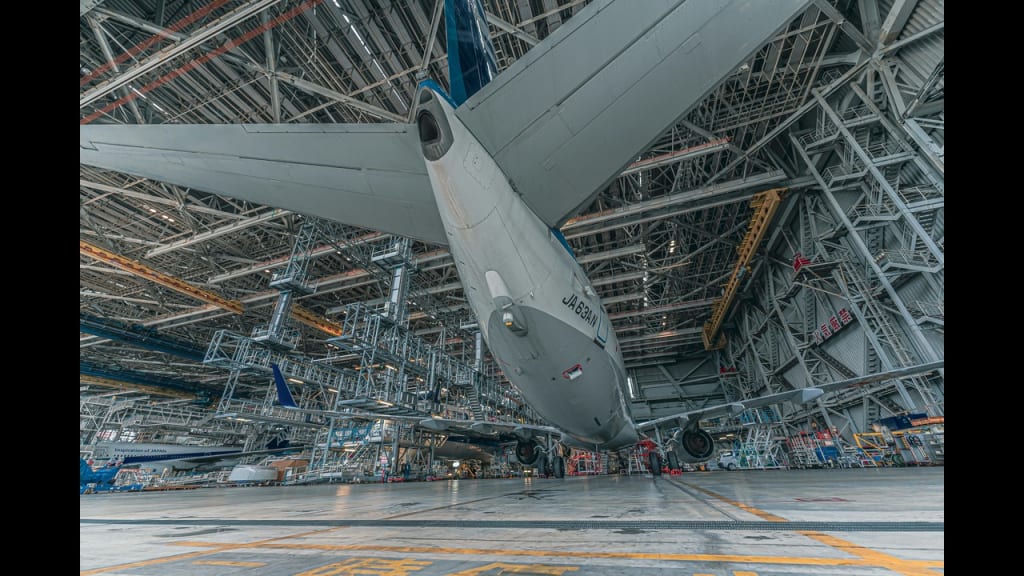
Aircraft operations depend on the steady supply of replacement parts, components and maintenance materials. Airlines, maintenance providers and aviation service companies depend on a steady supply of aircraft parts to keep fleets operating safely and efficiently. However, global supply chains are complex networks involving manufacturers, distributors, logistics providers, and regulatory authorities. When disruptions occur within this system, the availability of aircraft parts can quickly become limited.
Supply chain disruptions can arise from many different factors, including global trade restrictions, transportation delays, raw material shortages or sudden shifts in market demand. Because aviation systems require certified and traceable components, replacing or sourcing alternative parts is not always a quick process. As a result, disruptions in the supply chain can directly impact maintenance schedules, aircraft downtime and operational efficiency.
Understanding how supply chain challenges influence aircraft parts availability helps aviation professionals prepare for potential delays and adopt better sourcing strategies.
The Structure of the Aviation Supply Chain
The aviation supply chain is more specialized than many other industrial supply networks. Aircraft components must meet strict regulatory requirements and quality standards before they can be used in commercial or defense aircraft. Every part must also be fully traceable to ensure compliance with aviation safety regulations.
The supply chain typically begins with raw material suppliers and specialized engineering facilities that produce aviation-grade materials. These materials are then used by manufacturers that design and produce certified aircraft components. After production, parts are distributed through authorized suppliers and distributors who maintain inventories and provide components to airlines, maintenance repair organizations (MROs) and aviation service providers.
Because each stage of the supply chain depends on the previous one, disruptions at any point can influence the entire distribution process. Even small delays in manufacturing or transportation can affect how quickly aircraft parts reach maintenance teams.
Causes of Supply Chain Disruptions in Aviation
Several global and industry-specific factors contribute to supply chain disruptions within the aviation sector. One common challenge is the availability of raw materials required for aerospace-grade components. Aircraft parts often use specialized metals, advanced alloys and high-performance polymers that require strict production processes. If material production slows or becomes limited, manufacturers may experience delays in component manufacturing.
Transportation and logistics disruptions can also significantly affect parts availability. Aviation components are often shipped internationally between manufacturing facilities, warehouses and maintenance centers. Delays in international shipping, port congestion, or customs clearance procedures can extend delivery timelines and disrupt inventory planning.
Economic fluctuations and sudden changes in global demand can further complicate supply chain operations. When aircraft demand increases rapidly, parts suppliers may struggle to keep up with procurement requests. On the other hand, economic slowdowns can cause manufacturers to reduce production capacity, which may later lead to shortages when demand rises again.
Effects on Aircraft Parts Availability
Supply chain disruptions can lead to several challenges related to aircraft parts availability. One of the most immediate impacts is longer lead times for replacement components. Maintenance teams may need to wait extended periods for parts that were previously available within days or weeks.
Longer lead times can influence aircraft maintenance schedules and increase operational costs. Airlines and aviation service providers must sometimes delay repairs or maintenance procedures until the required components arrive. In some cases, aircraft may remain grounded while waiting for essential parts.
Another effect is increased competition for limited inventory. When supply chain disruptions occur, multiple organizations may attempt to secure the same components from distributors or suppliers. This situation can make it more difficult for procurement teams to locate parts quickly, especially when dealing with highly specialized or certified components.
Supply limitations may also influence pricing across the aviation aftermarket. When availability decreases while demand remains steady, the cost of certain aircraft components may increase. This makes efficient procurement planning even more important for organizations operating within the aviation industry.
The Role of Trusted Suppliers and Manufacturers
Reliable suppliers play a crucial role in helping aviation companies navigate supply chain disruptions. Established distributors typically maintain large inventories and build strong relationships with certified manufacturers. Reliable distributors often maintain partnerships with trusted manufacturers to ensure consistent availability of certified aircraft components. These relationships allow distributors to source components from multiple channels and reduce the risk of prolonged shortages.
Working with reputable suppliers also ensures that parts meet aviation safety and traceability requirements. Certified components must include documentation verifying their origin, manufacturing standards, and compliance with regulatory guidelines.
Procurement teams often evaluate multiple sourcing options when searching for critical aircraft components. Access to verified distributors and trusted aerospace manufacturers can help organizations maintain consistent parts availability, even when global supply chains experience temporary disruptions.
Strategies to Reduce Supply Chain Risks
Although supply chain disruptions cannot always be prevented, aviation organizations can take several steps to reduce their impact. One common strategy is maintaining diversified supplier networks. Relying on multiple suppliers allows companies to explore alternative sourcing options if one channel becomes unavailable.
Inventory planning also plays an important role in managing potential supply delays. Many aviation organizations maintain strategic stock levels for high-demand or critical components. Having spare parts readily available helps prevent unexpected downtime when replacement components are needed.
Technology and data analytics are also improving supply chain visibility. Modern procurement systems can track inventory levels, shipment progress and supplier performance in real time. This improved transparency helps procurement teams identify potential disruptions early and respond more effectively.
Future Outlook for Aviation Supply Chains
The aviation industry continues to adapt to evolving supply chain challenges. Advances in digital logistics systems, predictive inventory management, and improved global coordination are helping distributors and manufacturers improve supply chain resilience.
As aircraft technology evolves and global air travel demand increases, maintaining efficient parts distribution networks will remain essential. Aviation companies are increasingly focusing on supply chain flexibility, improved forecasting methods, and stronger partnerships across the industry.
Conclusion
Supply chain disruptions can significantly affect the availability of aircraft parts, influencing maintenance timelines, operational costs, and fleet efficiency. Because aviation components require strict certification, traceability, and quality standards, sourcing replacement parts is often more complex than in other industries.
Understanding the causes and effects of supply chain challenges allows aviation organizations to develop better procurement strategies and reduce operational risks. Reliable suppliers, diversified sourcing networks, and improved supply chain visibility all contribute to maintaining consistent access to aircraft components.
As the aviation industry continues to grow and modernize, stronger supply chain planning and collaboration will play an increasingly important role in ensuring that aircraft parts remain available whenever they are needed.
About the Creator
Beckett Dowhan
Where aviation standards meet real-world sourcing NSN components, FSG/FSC systems, and aerospace-grade fasteners explained clearly.
Keep reading
More stories from Beckett Dowhan and writers in Writers and other communities.
Industrial Adhesive Solutions Supporting Modern Aerospace Manufacturing
Introduction The aerospace industry continues to evolve as engineers and manufacturers seek lighter, stronger, and more efficient aircraft designs. While engines and avionics systems often receive the most attention, many essential improvements in aircraft construction come from advanced materials and bonding technologies. Adhesive solutions such as high-performance tapes play a vital role in maintaining structural integrity, protecting surfaces, and simplifying complex assembly processes.
By Beckett Dowhan3 days ago in Writers
Early March 2026: 4 Goals Accomplished
It's early March and I've now accomplished my 4th writing goal for the year of 2026. Before diving into the behind-the-scenes of it... why not tell you up front what that accomplishment was? I was published in a 2nd publication for this year. Published in Helix Literary Magazine out of Central Connecticut State University. You can read it for free right now!
By Stephen Kramer Avitabile7 days ago in Writers
What Guest Posting Taught Me About Growing a Website
When I first started working on websites, I believed that publishing good content would automatically bring visitors. It seemed logical — write helpful articles, publish them online, and people will eventually find them.
By Backlinks Cart4 days ago in Writers




Comments
There are no comments for this story
Be the first to respond and start the conversation.