Latest Stories
Most recently published stories in The Swamp.
To Fight Iran’s Drones, U.S. Taps Ukraine’s Hard-Earned Knowledge. AI-Generated.
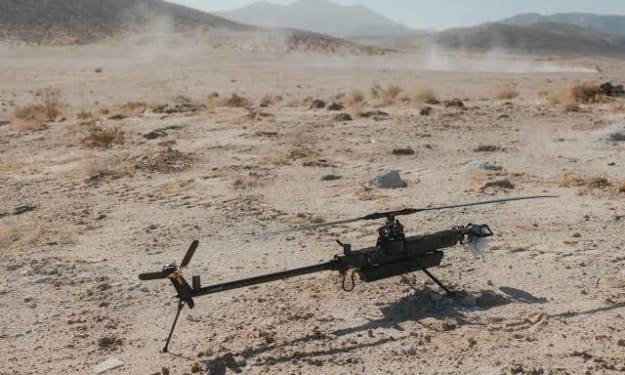
As clusters of cheap, one‑way attack drones launched by Iran hammer U.S. and allied positions across the Middle East, Washington is increasingly turning to battle‑tested expertise developed on the battlefields of Ukraine to counter the threat. Multiple governments — including the United States and Gulf partners — are now seeking Kyiv’s experience in defeating Iranian‑designed Shahed drones, a pincer move that underscores how lessons from Europe’s longest war are shaping the new front in the Middle East. Iran’s drones, often inexpensive and difficult for traditional air‑defence systems to track, have been used extensively against U.S. forces in the Gulf region since late February 2026. The swarms have forced U.S. commanders to reconsider conventional approaches — such as firing costly Patriot missiles — and look for low‑cost, flexible counter‑drone strategies that have been refined by Ukraine’s military over years of fighting Russian forces. Battle‑Hardened Expertise in Demand Ukraine has become a leader in counter‑drone warfare through its long experience battling Shahed‑type unmanned aerial vehicles — the same models now pummelling targets in the Middle East. Ukrainian President Volodymyr Zelenskyy confirmed that the United States formally requested Kyiv’s assistance in defending against these threats, and that Ukrainian experts and equipment are being dispatched to the region to help protect U.S. bases and allied forces. Beyond personnel, Ukraine is exporting interceptor drones and specialised technology designed to detect, track and destroy enemy UAVs flying at low altitudes, a niche capability developed during its four‑year conflict with Russia. Sources say that Kyiv plans to send military instructors to the Middle East and that Ukrainian interceptor systems — including drones proven in combat — could be deployed alongside Gulf allies’ defences. The United States and other governments face significant challenges using high‑end systems like Patriot missiles against drone swarms: each intercept can cost millions of dollars, far more than the relatively cheap Iranian-produced drones they target. Ukraine’s approach emphasises cost‑effective, layered defences including interceptor aircraft, small autonomous systems, acoustic sensors and electronic warfare tools — techniques now attracting attention far beyond the European theatre. Strategic Shifts After Initial Resistance Reports indicate Ukraine offered its drone‑defence expertise and technology to the Pentagon months before Israel and the United States initiated major strikes on Iran — offers that were initially overlooked but are now seeing renewed interest as the drone threat grows. Analysts describe this dynamic as a tactical reversal, with U.S. planners acknowledging the value of Ukraine’s “hard‑earned” knowledge on how to defeat massed Shahed attacks. Part of the Pentagon’s response includes visits to Ukrainian forces by U.S. counter‑drone specialists, who studied Ukrainian tactics, techniques and procedures (TTPs) for countering unmanned threats. This preparatory work preceded joint U.S.–Israeli operations and signals deeper military cooperation in the evolving fight against drones. Broadening Global Cooperation Ukraine’s potential role isn’t limited to the U.S. alone; several Gulf states, including the United Arab Emirates, Qatar, Jordan, Kuwait and Bahrain, have also approached Kyiv for help. Zelenskyy has positioned Ukraine’s experience as a resource for allies grappling with Iranian drone swarms while ensuring such cooperation does not undermine Ukraine’s own defence needs. This cooperation comes at a moment when the nature of conflict is changing: swarms of low‑cost drones now pose widespread challenges that strain high‑end air defence systems and raise questions about how modern militaries defend against attritional UAV campaigns. The Middle East conflict — like Ukraine’s fight against Russian‑backed forces — demonstrates that drones have become central to contemporary warfare beyond conventional battlefields. Implications for U.S. and Allied Defence Policy U.S. reliance on Ukraine’s counter‑drone experience reflects broader strategic adjustments. With Iranian drones proving resilient against traditional interception methods, the U.S. and partners are now incorporating lessons from Ukraine’s experience to adapt defensive postures rapidly. That includes evaluating next‑generation interceptor technologies, AI‑driven autonomous drones and layered detection networks that can handle the scale and unpredictability of drone swarms. The unfolding collaboration highlights how military innovation fostered in one theatre can influence combat operations elsewhere. As the United States and its allies confront the dual threats of missiles and drones from Iran, Ukraine’s hard‑won expertise may play an increasingly central role in shaping effective, affordable defences — and in redefining how modern air defence is conducted.
By Fiaz Ahmed 5 minutes ago in The Swamp
US military to send Marines and more warships to Middle East, reports say. AI-Generated.
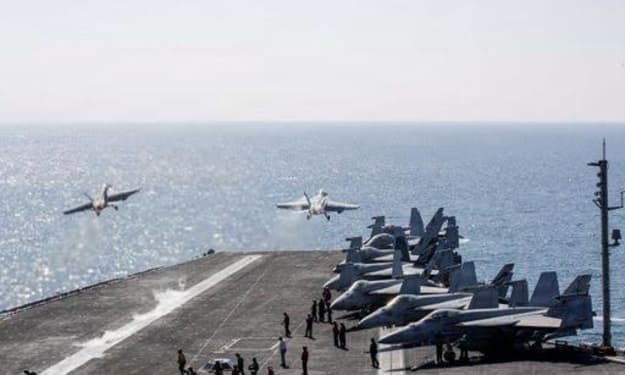
The United States is moving additional Marines and warships into the Middle East amid the intensifying conflict with Iran, military officials and multiple media reports say. The deployment reflects growing concern in Washington over Iranian attacks on strategic waterways and the possibility of further escalation in the region. According to US defence sources cited by ABC News and other outlets, a Marine expeditionary unit (MEU) carrying around 2,200 – 2,500 Marines has been ordered to deploy to the Middle East aboard a group of amphibious warships. The movement comes as Iranian missile and drone strikes disrupt shipping and threaten key global oil routes. Troop and Naval Reinforcements Underway The amphibious ready group — typically composed of several warships and a Marine expeditionary unit — will operate alongside the existing US naval presence in the region. One of the ships, the USS Tripoli, is said to be sailing from its home base in Japan toward the Middle East with its embarked Marine contingent. The deployment order was approved by US Defense Secretary Pete Hegseth following a request from US Central Command (CENTCOM), the military command responsible for operations in the Middle East. Officials told reporters that the forces could be used for a range of missions, from force protection and rapid response to potential evacuations or defence operations, depending on how the conflict unfolds Though the exact composition of the warship group has not been fully disclosed, Pentagon movements suggest it could include three amphibious vessels — typically transport ships capable of carrying Marines, equipment, and aircraft — forming a mobile crisis‑response force. Why Reinforcements Are Being Sent The deployment comes as Iran’s attacks on shipping in the Strait of Hormuz, a crucial chokepoint for global energy supplies, have effectively closed parts of the waterway, contributing to higher oil prices and international concern. Tehran’s missile and drone operations have also targeted vessels and military assets belonging to regional states and allied forces. US officials have described the reinforcement as a show of deterrence and security assurance, aimed at protecting American personnel and interests in a highly volatile environment. The Marines’ presence, along with additional warships, also provides Washington with flexible options in the event of further escalation or threats against US facilities and allies. Analysts say such deployments — while not necessarily signalling an imminent ground invasion — underscore the depth of US commitment to counter Iranian military pressure and secure key maritime routes. The amphibious ready group’s mobility and organic aviation capabilities mean it can support a wide range of missions without requiring fixed bases ashore. Regional and International Context These reports of reinforcements align with broader developments in the Middle East military landscape. The US has maintained an expanded naval presence since late 2025, with aircraft carrier strike groups, destroyers and supporting vessels operating in the Persian Gulf, Arabian Sea and Red Sea in response to threats from Iran and allied militias. President Donald Trump’s administration has also authorised significant air and naval strikes against Iranian targets, describing them as necessary to counter Tehran’s interference with commercial shipping and attacks on regional partners. Meanwhile, Iran has threatened further measures against oil infrastructure linked to the US and its allies if its access to strategic waterways continues to be contested. Potential Implications Sending Marines and warships to the Middle East during an active conflict carries operational and political implications. Domestically, such moves are likely to draw scrutiny from Congress and the public amid ongoing debate over US military involvement abroad. Internationally, the bolstered presence highlights how Washington is positioning itself not just as a combatant but as a security guarantor for global energy routes and allied defence commitments. Despite the lack of an official Pentagon announcement, the deployment reported by US media reflects the reality of an expanding American military footprint as tensions with Iran show no sign of abating. As the situation continues to evolve, further shifts in US force posture and strategic objectives are likely to be watched closely by allies and adversaries alike.
By Fiaz Ahmed 11 minutes ago in The Swamp
War Stirs Mixed Feelings for the Only Iranian‑American Democrat in Congress. AI-Generated.
WASHINGTON D.C. — As the United States’ military conflict with Iran continues to deepen, Yassamin Ansari, the first Iranian‑American Democrat in Congress, finds herself facing profound personal and political tensions over the war — embodying a complicated blend of heritage, principle and constitutional concern. Ansari, whose parents fled Iran’s Islamic Republic before settling in the United States, has long been critical of Tehran’s theocratic government and supportive of democratic change inside Iran. But unlike many hawkish voices in Washington, she has voiced deep ambivalence about the US‑led campaign against Iran — particularly President Donald Trump’s decision to attack without explicit congressional authorization. In public remarks and official statements, Ansari has made clear that while she opposes the Iranian regime’s abuses and believes in supporting the aspirations of Iranian people, she is equally concerned about the legality and consequences of the US military approach. In a statement released after the strikes began in late February 2026, Ansari argued that the Constitution vests the power to declare war in Congress — a power she said Trump circumvented in launching military action. She described the escalation as “illegal” and “dangerous,” stressing that American troops and innocent lives are at stake without a clear strategic plan presented to Congress or the American people. Her position reflects a broader unease among many Democrats who are wary of another prolonged Middle Eastern war — a war they argue lacks a clearly defined endgame and could destabilise the region even further. In Congress, lawmakers from both parties have expressed mixed feelings about the war, with some veterans and experienced legislators calling for caution and oversight, and others warning against repeating the mistakes of past conflicts such as Iraq and Afghanistan. Ansari’s view also highlights divisions within the Iranian‑American community itself. While many oppose Tehran’s authoritarian regime and support efforts to curb its nuclear ambitions, others disagree on the means and consequences of US military involvement. Some Iranian Americans have expressed hope that external pressure might hasten internal reforms, while others fear that war could worsen the humanitarian situation and strengthen hardliners on both sides. Despite her criticism of Trump’s military action, Ansari has emphasised that she does not condone the Iranian regime’s history of repression. In her statement, she acknowledged the brutality of the government in Tehran, noting that it has long persecuted political dissidents and violated human rights. But she argues that focusing solely on military responses without parallel efforts for diplomacy and democratic empowerment may not lead to the outcomes many Iranian Americans hope for. Her stance underscores a nuanced approach: oppose authoritarian rule in Iran, but also challenge unilateral executive military action — especially when it sidesteps Congress. Ansari has said she supports a bipartisan War Powers Resolution to reaffirm Congress’s constitutional role in decisions about war and peace, seeking to balance national security concerns with legal process and accountability. The war has already tested political solidarity in Washington. A recent House vote to limit further US strikes against Iran narrowly failed, highlighting sharp partisan splits and mixed attitudes even within the same political party. Several House Democrats, including Ansari, emphasised that decisions of such gravity should involve full congressional debate and not rest solely with the White House. Public opinion in the US appears to mirror these Congressional complexities: recent polls indicate a broad opposition to the war and strong resistance to deploying American ground troops, with significant majorities against expanded military involvement. On the world stage, the conflict has already had wide‑ranging effects, disrupting global energy markets and intensifying security concerns in multiple regions. But for Ansari, the struggle is also intensely personal: she must reconcile her aspirations for a freer, democratic Iran with her constitutional oath to protect American interests and uphold the rule of law. In doing so, she represents a unique voice in Congress — one shaped by both heritage and civic responsibility. As the conflict unfolds and debates continue over its legality, objectives and consequences, Ansari’s nuanced position keeps alive questions about the balance between moral support for oppressed peoples abroad and the constitutional boundaries of American military engagement.
By Fiaz Ahmed 20 minutes ago in The Swamp
Foreign secretary Yvette Cooper: ‘Making decisions based on what the US do or say doesn’t feel like sensible foreign policy’. AI-Generated.
UK Foreign Secretary Yvette Cooper has made a candid defence of Britain’s independence in international affairs, saying the government will not simply follow the United States’ lead — even amid global crises such as the escalating conflict in the Middle East. Cooper’s comments come amid heightened tensions following US and Israeli military operations against Iran, in which the UK has taken a more cautious diplomatic approach than its transatlantic ally. In a major policy intervention, the foreign secretary emphasised that Britain will put its own national interests and values first, rather than making decisions solely on the basis of what Washington says or does. Addressing media scrutiny and criticism from some quarters — including from US President Donald Trump and former British prime minister Tony Blair — Cooper stressed that foreign policy should be rooted in British judgment and legal principles, not reactionary alignment with allies. Background: UK–US tensions over Iran conflict The comments reflect an ongoing row between London and Washington over the UK’s role in the conflict sparked by US and Israeli strikes on Iran. The Labour government led by Prime Minister Keir Starmer opted not to participate directly in early military strikes, choosing instead to emphasise de‑escalation and adherence to international law. President Trump publicly criticised the UK’s reluctance to join the initial assault, accusing British leaders of delayed and insufficient support. But Cooper has firmly rejected the idea that Britain should act as a “junior partner” in American interventions, arguing that such an approach would undermine the country’s strategic autonomy. In a BBC interview, she said it was legitimate for the US president to prioritise US national interests, but that the UK government’s job was to decide for itself what serves the British national interest — not simply to echo decisions made in Washington. Rejecting unconditional support Cooper explicitly dismissed suggestions that Britain should have automatically backed US action on Iran “from day one” — a position advanced by Blair and echoed by some conservative politicians. Instead, she framed her government’s foreign policy direction as one that avoids “outsourcing” decisions to other governments. She made similar remarks in response to Blair’s comments at a private event, where the former prime minister argued the UK should have more robustly supported US military efforts. Cooper said such instinctive alignment is not in the UK’s national interest and warned against unquestioning foreign policy. This stance signals an assertive shift in how Britain approaches security alliances. While the UK remains committed to transatlantic cooperation and membership of NATO, Cooper’s remarks underline a more independent foreign policy posture that evaluates policy on its own merits rather than through the prism of US leadershing Domestic political context Within British politics, Cooper’s position has won mixed responses. Supporters argue that prioritising national interest and caution in engaging in foreign conflicts demonstrates prudent leadership, particularly given the complex legal and ethical implications of the Iran crisis. Critics, including several senior figures in the Conservative Party and some commentators, liken it to a retreat from historical alliances, arguing that close consultation with the US remains vital for global security. The debate touches on a deeper tension within UK foreign policy: whether London should primarily act in concert with longstanding allies, especially the United States, or adopt an approach that emphasises strategic independence and multilateral diplomacy. Looking ahead Cooper’s comments come at a moment when UK foreign policy is under intense scrutiny. The Middle East conflict shows no sign of quick resolution, and Britain’s decisions — from arms transfers to diplomatic engagement — will be watched by allies and adversaries alike. By asserting that decisions should not be shaped solely by US influence, Cooper is signalling a foreign policy philosophy that seeks to balance global partnerships with Britain’s own strategic judgment — a stance likely to shape diplomatic debates for months to come.
By Fiaz Ahmed 29 minutes ago in The Swamp
Wealthy British nationals fleeing Gulf conflict bypass UK to avoid tax bills. AI-Generated.
Wealthy British nationals living in the United Arab Emirates (UAE) and neighbouring Gulf states are choosing to relocate to countries such as Ireland and France rather than return to the United Kingdom amid rising conflict in the region — a decision driven largely by concerns over the UK tax system as the current tax year draws to a close. With only a few weeks left before the 2025–26 UK tax year ends on 5 April, many high‑net‑worth individuals who have established non‑resident status are hesitant to risk returning home for fear of triggering significant tax liabilities. The UK’s tax authority, HM Revenue & Customs (HMRC), counts the number of days an individual spends in the UK as a key determinant of tax residency; exceeding allowable days could make a non‑resident liable for UK income tax and capital gains tax on worldwide income and gains. Conflict prompts decisions rooted in tax, not safety The rising conflict in the Gulf region has forced many Britons to contemplate where to regroup. Rather than risk being treated as UK tax residents by spending too much time in Britain — and potentially face retroactive taxation — they are instead flying to countries perceived as more tax favourable until the new UK tax year begins. Ireland and France have become popular temporary destinations, offering a buffer until Britons can return without altering their tax status. A wealthy business owner, speaking to The Guardian, said he was spending time in Dublin to avoid returning prematurely to London, which could have triggered capital gains tax on assets or businesses that had been sold while he was abroad. “I’m happy to pay income tax and tax on investments next tax year, but I don’t want the sale of a business that I sold years ago to fall within UK capital gains tax,” he said. Exceptional circumstances relief unlikely Some expatriates hoped that current travel advisories related to the conflict might qualify them for HMRC’s “exceptional circumstances” rule — a provision that, in the past (notably during the COVID‑19 pandemic), allowed flexibility over residency tests for people unable to leave certain regions. But tax professionals warn that HMRC is unlikely to be sympathetic, noting that governments generally don’t consider advisory alerts sufficient to trigger tax‑year leniency. Nimesh Shah, chief executive of tax advisory firm Blick Rothenberg, told The Guardian that the current situation around the Gulf does not meet the stringent criteria HMRC applies for exceptional circumstances. “In HMRC’s mind they’ve chosen to go [to the UAE] to not pay tax in the UK,” he said, adding that those leaning on that provision may be disappointed. Tax rules and residency traps Under UK tax law, the Statutory Residence Test governs whether an individual is considered a UK resident for tax purposes. Spending too many days in the UK — typically more than 90 or 120 in a year, depending on circumstances — can trigger residency status. Once deemed resident, individuals may face income tax on worldwide earnings and capital gains tax (CGT) on gains realised abroad, including sales of businesses or investment assets. Those who have been non‑resident for fewer than five full tax years are particularly vulnerable. If they return and restart UK residency status, the UK’s Temporary Non‑Residence (TNR) rules could subject them to CGT on gains made while they were outside the country — even if those gains occurred years earlier. Broader context: wealthy Britons and tax migration This latest bout of relocation sits within a wider debate over the UK’s changing tax landscape. In recent years, reforms to the so‑called “non‑domiciled” tax regime and moves to tax worldwide income more comprehensively have prompted some wealthy individuals to reconsider their tax affairs and, in some cases, their residency. While broader “millionaire exodus” claims are contested and likely exaggerated, these current moves reflect how tightly the timing and interpretation of tax laws influence where the wealthy choose to live during periods of geopolitical stress. Public reaction and policy implications Reaction among the public and on social media has been mixed. Some commentators argue that if wealthy Britons benefit from UK services — including evacuation support — they should contribute to the tax base. Others take a more laissez‑faire view, noting that existing residency rules allow people latitude in where they live and pay tax, and that individuals often make these choices for legal, financial reasons rather than a disdain for their home country. For policymakers, these developments highlight ongoing tensions between tax competitiveness and fairness — a debate that is likely to continue as the UK navigates the post‑Brexit economic and political landscape. Subtitle: Wealthy British expatriates displaced by Gulf conflict are avoiding returning to the UK to protect tax‑favourable status, choosing alternative European destinations to evade potentially costly tax residency rules.
By Fiaz Ahmed 34 minutes ago in The Swamp
North Korea fires ballistic missiles as US-South Korea hold military drills. AI-Generated.
North Korea on March 14, 2026 fired approximately 10 ballistic missiles into the sea off its east coast, coinciding with large‑scale joint military exercises by the United States and South Korea — a move that dramatically underscores escalating tensions on the Korean Peninsula. According to South Korea’s Joint Chiefs of Staff, the missiles were launched from near Pyongyang around 1:20 p.m. local time and splashed down in waters of the East Sea (also known as the Sea of Japan) without landing inside Japan’s exclusive economic zone. Japanese authorities reported detecting potential missile activity, but no debris or damage was confirmed in Japanese waters. The launches occurred as U.S. and South Korean forces conduct the annual “Freedom Shield” exercises, which began earlier in March and are scheduled to continue through much of the month. The allies describe the drills as routine and defensive, intended to enhance combined readiness and interoperability against threats from the North. Pyongyang’s Response and Rhetoric North Korean state media and officials have routinely condemned these joint exercises, portraying them as hostile provocation and rehearsals for invasion. In statements ahead of the drills, Kim Yo Jong — sister of North Korean leader Kim Jong Un — warned that the scale and scope of U.S.–South Korea military activities threaten regional stability and could yield “terrible consequences.” Pyongyang often uses major allied training events as a pretext to conduct weapons tests, including ballistic and cruise missile launches. Analysts say this pattern serves multiple purposes: demonstrating military capability domestically and internationally, signaling defiance against perceived threats, and attempting to extract political leverage. Military and Regional Dynamics The Freedom Shield exercises involve U.S. forces based in South Korea — estimated at about 28,500 troops — and significant South Korean military units. Activities include large‑scale manoeuvres that simulate cross‑river operations with tanks, armoured vehicles and air support. These positions aim to deter aggression and maintain combat readiness in what remains one of the world’s most militarised regions. From Seoul and Washington’s perspective, the drills reaffirm the strength of the U.S.–South Korea alliance and the commitment to defend the South in the event of an attack. Officials emphasise that the exercises are defensive in nature and not conducted with offensive intent toward Pyongyang. Nevertheless, North Korea’s military leaders view them through a different lens, depicting the drills as preparations for regime change or invasion. In previous years, similar joint operations have prompted Pyongyang to fire short‑range missiles or conduct naval and ballistic tests as a demonstration of its own capabilities. Diplomatic Calculus and Missile Development The latest launches come amid complex diplomatic undercurrents. In the days before the drills began, South Korean Prime Minister Kim Min‑seok met with U.S. President Donald Trump in Washington, where leaders discussed the potential for renewed engagement with North Korea. Trump reportedly expressed willingness to resume dialogue with Kim Jong Un, raising the possibility of future negotiations despite the missile provocations. North Korea’s persistent missile development — including short‑range, intermediate‑range and longer‑range systems — has long been a central concern for regional and global security. These weapons, which Pyongyang continues to test frequently, are seen as core elements of its deterrent strategy and a means of compelling diplomatic concessions. Reactions from Neighbours and the International Community Nearby countries including Japan, China and members of the Association of Southeast Asian Nations (ASEAN) have closely watched the escalating activity on the Korean Peninsula. Tokyo has repeatedly urged restraint from all parties, emphasising the importance of avoiding miscalculations that could trigger conflict. Beijing, which maintains official ties with Pyongyang, frequently calls for de‑escalation and resumption of dialogue to manage regional security. In Seoul, South Korean officials confirmed that no casualties resulted from the missile launches and that the launches did not significantly disrupt the ongoing military drills. Leaders stress that the alliance remains resolute and that the drills will proceed as planned. Looking Ahead The latest missile launches signal a continuation of entrenched patterns in which North Korea uses military demonstrations to counter allied exercises. While the immediate risk of direct confrontation remains limited, the situation complicates diplomatic efforts to reduce tensions and resume broader negotiations on denuclearisation and security assurances. As the Freedom Shield exercises progress, global eyes will remain trained on developments along the Korean Peninsula, where military manoeuvres and missile tests continue to shape the delicate balance of power in Northeast Asia.
By Fiaz Ahmed 38 minutes ago in The Swamp
Success uncertain, but Israelis continue to back ‘heroic’ war with Iran. AI-Generated.
Tens of thousands of Israelis continue to express strong support for their country’s military campaign against Iran, even as doubts grow about the war’s ultimate objectives, costs and outcomes. According to a March 2026 poll by the Israel Democracy Institute, roughly 82 – 93 % of Israelis — particularly Jewish Israelis — support the ongoing conflict with Iran, a level of consensus that crosses traditional political divides. That backing includes many who have historically opposed Prime Minister Benjamin Netanyahu’s government, who now describe the campaign as a necessary defence against Tehran’s long‑standing threats. A Nation Rallying Around the Flag The war, which escalated after a series of Israeli strikes deep inside Iranian territory, has largely united public opinion behind the government. Within Israel, many citizens view the campaign not only as a defence of national security but as a “heroic” initiative to dismantle Iran’s capabilities and prevent future threats. Mainstream political parties, including many in the centre and moderate right, now publicly support the war effort — often with little political dissent. Political analysts describe this phenomenon as a classical “rally‑round‑the‑flag” effect, where public opinion consolidates during wartime irrespective of the government’s overall popularity. Within Israeli society, foreign policy and security threats — particularly those tied to Iran’s nuclear and missile programmes — have long dominated the national consciousness. In Tel Aviv, veteran activist Alon‑Lee Green of the Palestinian‑Jewish advocacy group Standing Together noted that efforts to protest the war were met with rapid police intervention, reflecting both the high level of public support and a sensitive atmosphere around dissent during active conflict. Leadership Frames War as Existential and Historic Prime Minister Netanyahu, speaking from Jerusalem, has repeatedly framed the operation against Iran as not just a tactical military endeavour but a defining moment in Israel’s history. In public addresses, he has described the campaign as one that will be “recorded in the annals of Israel” and one fought for the security of future generations. In these speeches, the struggle against Iran is often placed in existential terms — as defending the nation from decades of hostile rhetoric and regional interference. Netanyahu’s messaging resonates particularly strongly among older generations who remember repeated threats from Iran’s leadership and proxy militias. For many Israelis, memories of past wars and missile attacks from Lebanon and Gaza inform their acceptance of expansive military action. Uncertainty and the Lack of Clear Endgame Despite overwhelming public support, there is growing unease — among experts and some politicians — about the lack of a well‑defined strategy for achieving long‑term goals in Iran. Even within Israeli security circles, questions have emerged about how a prolonged campaign, focused on airstrikes and targeted operations, might lead to meaningful regime change in Tehran, or whether the country could instead become entrenched in a drawn‑out conflict with unpredictable regional consequences. Israeli officials themselves acknowledge that success is not guaranteed. While military operations have reportedly degraded Iran’s nuclear and missile‑related infrastructure, analysts point out that dismantling these capabilities entirely — let alone securing the collapse of Iran’s political leadership — remains uncertain. Iranian authorities, despite suffering high‑profile losses, including the killing of Supreme Leader Ali Khamenei in late February, have maintained internal control and continued retaliatory operations. More broadly, strategic analysts say that Tehran’s decentralised defence doctrine — designed to absorb shocks from heavy bombardment and stay operational — makes it unlikely that short‑term military actions will achieve decisive victory. Instead, these analysts argue that Iran may be prepared for a long, attritional conflict that external military force alone cannot quickly resolve. Political and Regional Implications The domestic political landscape in Israel has also shifted. Opposition figure Yair Lapid has publicly said that he no longer intends to pursue no‑confidence motions against Netanyahu’s government amidst the war, reflecting how national security concerns have overshadowed traditional partisan disputes. Regionally, the conflict has triggered broader instability. Israel’s ongoing military activities have overlapped with fighting in Lebanon, where the militant group Hezbollah has escalated hostilities, and tensions continue across the Middle East as neighbouring states grapple with the conflict’s ripple effects. Internationally, leaders have responded with mixed messaging. While the United States, under President Donald Trump, has expressed support for Israel’s actions and claimed progress in degrading Iran’s capabilities, several European leaders have urged a return to diplomacy to avoid a wider regional conflagration. A War Without a Clear Ending in Sight For ordinary Israelis, the war’s human and economic costs — compounded by global energy market volatility and regional civilian casualties — are often viewed through the prism of long‑term national security. Yet beneath widespread support lies a complex calculus: a recognition that decisive victory may be elusive and that the path to a stable Middle East might require more than military force. As the campaign continues, both the government and the public are left to weigh short‑term achievements against the uncertainties of an open‑ended war, where the outcome is not predetermined and the consequences echo far beyond Israel’s borders.
By Fiaz Ahmed about an hour ago in The Swamp
US Army Awards Anduril Contract Worth as Much as $20 billion. AI-Generated.
The United States Army has awarded a groundbreaking enterprise contract to defense technology firm Anduril Industries that could be worth as much as $20 billion, marking one of the largest deals between the U.S. military and a private defense startup in recent history. The deal — announced publicly this week — aims to consolidate procurement of cutting‑edge software, hardware, and support services under a single framework designed to accelerate the delivery of modern capabilities to warfighters and streamline how the Army acquires advanced technologies. Officials said the overarching purpose of the new contract is to replace a patchwork of more than 120 separate agreements for Anduril’s technologies with a single enterprise arrangement. By eliminating redundant administrative fees and reducing procedural hurdles, the Army hopes to hasten the deployment of advanced systems that integrate sensor data, command‑and‑control functions, autonomous platforms, and artificial intelligence‑enabled software into battlefield operations. A New Era in Military Procurement Traditionally, the U.S. Army’s contracting process has involved numerous individual purchases spread across different programs and units. This fragmented system often results in lengthy timelines from contract award to deployment, especially for emerging technologies that evolve rapidly. Under the newly consolidated enterprise contract, the Army can more efficiently requisition and scale Anduril’s solutions — from battlefield software to integrated hardware infrastructure — across multiple mission areas. “This enterprise contract is a critical step in establishing a common framework,” said one senior Army official, noting that the streamlined approach will reduce administrative overhead and ensure soldiers have more rapid access to advanced capabilities. While the total potential value of the contract is up to $20 billion over 10 years, the actual amount the Army spends each year will depend on specific procurement decisions and operational needs. Nevertheless, this award represents a vote of confidence by the Pentagon in Anduril’s technology portfolio and its ability to meet the Army’s strategic priorities. What Anduril Brings to the Table Founded in 2017 by a group of Silicon Valley veterans including Palmer Luckey, Anduril has positioned itself as a disruptive force in the defense industry, leveraging artificial intelligence, autonomous systems, and software‑first approaches to solve complex military problems. The company’s Lattice operating system — an open architecture platform that ingests data from sensors, drones, and legacy systems — has become central to its pitch to the Department of Defense. Anduril’s offerings include AI‑driven battlefield management software, unmanned aerial systems, autonomous ground vehicles, and command‑and‑control solutions sought by the Army, Marine Corps, and other U.S. military branches. Integrating these technologies under a unified procurement contract reflects the Army’s broader push to modernize its force and reduce reliance on legacy systems that were not designed for 21st century warfare. Industry analysts say the scale of this contract signals a broader shift in Pentagon procurement: the defense establishment is increasingly willing to make large bets on companies that emerged from the tech startup ecosystem rather than just traditional defense giants. This trend has been building over the past decade as the nature of conflict evolves with the rise of autonomous systems and software‑driven platforms. Strategic and Operational Impact The enterprise contract is expected to strengthen the Army’s operational capabilities in contested environments where speed, adaptability, and data integration are critical. By consolidating procurement for Anduril’s solutions, military planners believe they can create more interoperable systems that give commanders a common operating picture — a real‑time understanding of the battlefield, including friendly forces, enemy positions, and emerging threats. Such integrated capabilities are particularly valuable in scenarios involving unmanned systems, electronic warfare, and multi‑domain operations where coordination across air, land, sea, space, and cyber domains is essential. As global competitors invest in similar technologies, the U.S. Army’s investment in agile and scalable systems could help maintain a technological edge. Critics and Concerns Despite broad support among some defense leaders, the contract has drawn scrutiny from watchdog groups and critics who caution that such large, long‑term commitments carry risk. Some argue that heavy reliance on a single private firm could create dependencies or stifle competition in vital technology areas. There are also concerns about transparency given that startups like Anduril are not publicly traded, making independent scrutiny of financials and corporate strategy more difficult. Nonetheless, supporters contend that the contract’s structure — with performance metrics and deliverables tied to deployment outcomes — ensures accountability and encourages continuous innovation. For the Army’s leadership, staying ahead of rapidly changing battlefield technologies is paramount, and streamlined contracts like this one are seen as essential tools for achieving that goal. The Broader Defense Tech Landscape Anduril’s big contract comes amid an ongoing transformation in the U.S. defense industrial base, where venture‑backed tech startups are increasingly competing with established defense contractors for Pentagon dollars. The result is a growing “arms‑tech” market where software and autonomous technologies — once peripheral — are now core elements of military planning and procurement. For Anduril, securing such a significant enterprise contract not only cements its role as a key defense partner but also could influence how future military technologies are sourced, integrated, and fielded. As global security challenges evolve, the U.S. Army’s investment in agile, software‑driven solutions may set a precedent for other services and allies looking to modernize their forces. In sum, the $20 billion enterprise contract awarded to Anduril represents a major milestone in U.S. defense procurement and a signal of future military modernization efforts centered on artificial intelligence, autonomy, and rapid technology deployment.
By Fiaz Ahmed about 3 hours ago in The Swamp