Latest Stories
Most recently published stories in Journal.
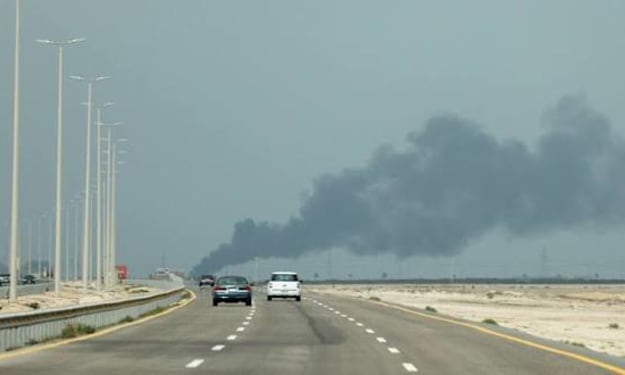
Gulf states lose $15bn in energy revenues since start of war. AI-Generated.
Gulf states have lost an estimated $15 billion in energy revenues since the start of the ongoing war in the region, according to analysts tracking the impact on the global oil and gas markets. The losses have been driven by a combination of disrupted production, damaged infrastructure, and reduced demand from international buyers, highlighting the economic vulnerability of nations heavily reliant on hydrocarbon exports. The conflict, which erupted earlier this year, has affected key energy-producing countries in the Gulf, including Saudi Arabia, United Arab Emirates, and Kuwait. Analysts report that output reductions, combined with logistical challenges in transporting oil and gas, have led to significant shortfalls in state revenues that fund public services, infrastructure projects, and social programs. “Energy exports are the lifeblood of the Gulf economies,” said an energy market expert. “Any prolonged disruption, particularly in the context of war, has immediate and severe consequences for government budgets and the broader economy.” In Saudi Arabia, one of the world’s largest oil producers, some key export facilities were temporarily suspended due to security threats near shipping routes in the Gulf. While production has gradually resumed, analysts estimate that the country has lost several billion dollars in expected revenues. Similar challenges have affected the UAE and Kuwait, where ports and pipelines have faced intermittent closures and heightened security alerts. The war has also affected global energy markets, contributing to volatility in oil and gas prices. While higher prices could offset some revenue losses for producers, the ongoing instability has discouraged long-term contracts and international investment, reducing the financial resilience of Gulf states. Shipping insurance premiums have surged, and some international buyers have delayed purchases due to fears of supply disruption. For nations heavily dependent on oil revenues, the losses are particularly concerning. Gulf states allocate a significant portion of their budgets to public welfare, infrastructure, and economic diversification initiatives. The sudden drop in income has forced governments to reassess spending priorities and consider measures such as tapping sovereign wealth funds, issuing bonds, or delaying capital projects. Some analysts warn that prolonged conflict could deepen economic strain. If the war continues for several months or expands geographically, the losses in energy revenue could rise sharply, potentially exceeding $20 billion. “The longer the conflict persists, the greater the economic damage will be,” said one regional economist. “Even minor disruptions to production or export routes can cascade into substantial fiscal shortfalls.” The economic impact is compounded by other global pressures, including fluctuating demand from major energy consumers and competition from alternative suppliers. European and Asian buyers have been seeking diversified sources of oil and gas, and sanctions or logistical hurdles have sometimes forced Gulf exporters to redirect shipments or renegotiate contracts at lower prices. In response, Gulf governments have ramped up security measures around energy infrastructure, including pipelines, refineries, and shipping lanes. Military patrols and aerial surveillance have been increased to safeguard exports, but analysts note that these measures add to operational costs and do not eliminate the risk of further revenue losses. Some states have also accelerated efforts to diversify their economies to reduce dependence on hydrocarbons. Projects in renewable energy, technology, tourism, and finance are being prioritized to create alternative sources of revenue. However, analysts caution that such diversification efforts are long-term solutions and cannot immediately offset the financial losses caused by the war. The International Energy Agency (IEA) has highlighted the broader implications of the Gulf revenue losses, noting that disruptions in the region can ripple through global markets. Reduced supply from major Gulf producers can drive up prices elsewhere, affect energy security for dependent nations, and influence inflationary pressures worldwide. While Gulf states continue to manage immediate fiscal challenges, officials are closely monitoring the situation. Contingency plans for energy exports, emergency budget measures, and diplomatic efforts to contain the conflict are all being considered. Experts emphasize that a resolution to the war, or at least a stabilization of key export routes, will be critical to restoring financial stability and ensuring the long-term viability of government programs. The $15 billion revenue loss is a stark reminder of the fragility of oil-dependent economies in the face of geopolitical conflict. As the Gulf navigates this challenging period, governments must balance short-term fiscal needs with longer-term strategic planning, ensuring that both immediate and future economic stability are safeguarded. The coming months will be pivotal, with analysts predicting that energy revenues, market confidence, and regional stability are all tightly intertwined, and the trajectory of the war will determine the scale of financial losses for Gulf states in 2026 and beyond.
By Fiaz Ahmed 5 minutes ago in Journal
The Hyaluronic Acid Market Is Quietly Changing the Way We Think About Skincare. AI-Generated.
There is a moment most of us know well. Standing in the skincare aisle, bottle in hand, squinting at the ingredient list. Somewhere near the top, almost always, you will find it: hyaluronic acid.
By Harvey Specterabout an hour ago in Journal
Benefits of Gamification Services in Modern Workplaces
Many people believe gamification services are only about points, badges, and leaderboards. While that is totally not the case. Gamification serves a much deeper purpose in employees' personal lives and the corporate environment.
By jacquelinedavidabout an hour ago in Journal
Select’ Quincy Jones Music, Publishing and NIL Assets Acquired by HarbourView
In other Michael Jackson related news, large swaths of the Quincy Jones Estate has been sold to an investment firm. This includes a chunk of Michael Jackson properties that Mr. Jones had a part in creating.
By Skyler Saundersabout 2 hours ago in Journal
Learning From the Wild: How Time Outdoors Builds Respect for Nature. AI-Generated.
Spending time in nature changes the way people see the world. A quiet morning in the woods, the sound of wind moving through trees, or the sight of wildlife moving through its natural habitat can create a sense of awareness that is difficult to experience anywhere else. For many people, outdoor traditions such as hiking, wildlife photography, fishing, and responsible hunting become pathways to understanding how ecosystems function and why protecting them matters.
By Martino D'abruzzoabout 2 hours ago in Journal
Smart Financial Habits That Help Small Businesses Thrive. AI-Generated.
Running a small business requires wearing many hats. Entrepreneurs often manage operations, marketing, customer service, and product development all at the same time. In the middle of all those responsibilities, financial management can sometimes become an afterthought.
By Delerme CPAabout 2 hours ago in Journal
Whey Protein Market Is Quietly Reshaping How the World Eats. AI-Generated.
The Quiet Revolution in Your Shaker Bottle There's something almost meditative about it. The gym is winding down, the last few weights clink back onto the rack, and someone reaches into their bag, unscrews a shaker bottle, and adds a scoop of powder. A few shakes later, a creamy drink appears — and their recovery has already begun.
By Harvey Specterabout 2 hours ago in Journal
How I Discovered the Real Value of Digital Marketing Services. AI-Generated.
A few years ago, when I first started learning about digital marketing services, I honestly thought it was just about running advertisements and posting on social media. Everywhere I looked online, people were talking about quick growth, viral content, and instant traffic.
By Anthony Rodgersabout 4 hours ago in Journal
Acoustic Vehicle Alerting System Market Enhancing Safety for Quiet Electric Vehicles . AI-Generated.
The Safety Signal for Silent Vehicles Electric and hybrid vehicles are significantly quieter than traditional internal combustion engine vehicles, especially at low speeds. While this contributes to reduced noise pollution, it also creates a safety challenge for pedestrians and cyclists who rely on engine sound to detect approaching vehicles.
By james robertabout 7 hours ago in Journal