
Russia Revels in a Sudden Reversal in Fortunes as Oil and Gas Prices Soar
Rising global energy prices—driven by geopolitical tensions and supply fears—are giving Russia an unexpected economic boost despite years of Western sanctions.
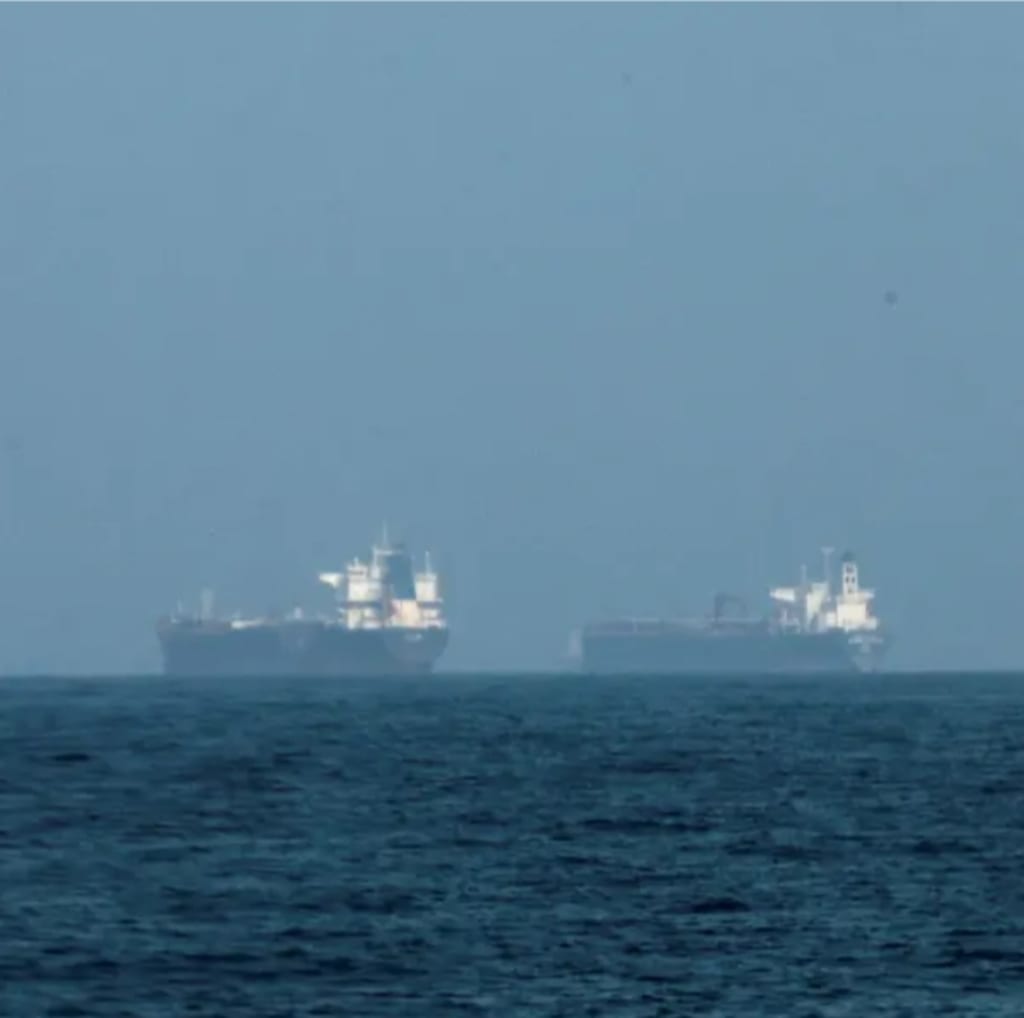
Global energy markets have entered another period of volatility, and few countries stand to benefit more than Russia. As oil and natural gas prices surge amid geopolitical tensions and supply disruptions, Moscow is experiencing a sudden improvement in economic conditions that many analysts say could strengthen its position on the global stage.
For several years, Russia’s energy sector has faced intense pressure from Western sanctions, particularly following its conflict with Ukraine. These restrictions were designed to reduce Russia’s ability to profit from fossil fuel exports and limit the financial resources available to its government.
However, the recent surge in energy prices—driven partly by instability in the Middle East and concerns over supply chains—has created an unexpected reversal of fortunes for the Russian economy.
The Power of Energy Markets
Energy exports have long been the backbone of Russia’s economy. Oil and natural gas sales generate a significant portion of the country’s government revenue and play a crucial role in financing public spending, infrastructure projects, and military operations.
The global price of crude oil has climbed sharply in recent weeks as markets react to geopolitical uncertainty, particularly tensions involving Iran, Israel, and the United States.
When conflicts threaten key energy-producing regions or shipping routes, traders often anticipate supply disruptions. This anticipation alone can drive prices upward, benefiting major exporters like Russia.
Natural gas prices have also increased as countries seek alternative energy supplies to safeguard their economies from potential shortages.
For Russia, which possesses some of the world’s largest oil and gas reserves, these market shifts translate directly into increased revenue.
Sanctions Meet Market Reality
Since the start of the war in Ukraine, Western governments have attempted to weaken Russia’s energy sector through sanctions and price caps on oil exports.
These measures were designed to reduce Russia’s profits while still allowing global markets to access enough energy to avoid severe shortages.
Yet the effectiveness of these policies has been debated. While sanctions have complicated Russia’s ability to sell oil in traditional Western markets, Moscow has successfully redirected many of its exports toward Asia and other regions.
Countries such as China and India have increased purchases of Russian crude oil, often at discounted prices.
Even with discounts, the rise in global oil prices means Russia can still generate substantial revenue from these sales.
A Boost for the Russian Economy
The surge in energy prices has had several positive effects for Russia’s economy.
First, higher export revenues strengthen the country’s budget. Government income from energy taxes and export duties rises as oil and gas prices increase.
Second, strong energy earnings help stabilize the Russian currency, the Russian ruble. A stable currency reduces inflationary pressure and helps maintain consumer purchasing power.
Third, energy profits allow the government to continue funding large-scale spending programs, including defense, infrastructure, and social benefits.
For President Vladimir Putin, these economic benefits provide valuable political leverage both domestically and internationally.
Global Energy Demand Remains Strong
Another reason for Russia’s improved outlook is the continued strength of global energy demand.
Despite rapid growth in renewable energy technologies, fossil fuels still account for the majority of the world’s energy consumption. Industrial production, transportation systems, and electricity generation in many countries remain heavily dependent on oil and natural gas.
Emerging economies in Asia, Africa, and Latin America are experiencing growing energy needs as their populations expand and living standards improve.
This sustained demand makes it difficult for global markets to significantly reduce reliance on major energy exporters such as Russia.
Even countries seeking to transition toward cleaner energy sources must manage the process gradually to avoid economic disruptions.
Europe’s Changing Energy Strategy
Europe once relied heavily on Russian natural gas delivered through pipelines across Eastern Europe.
Following the outbreak of war in Ukraine, many European countries worked aggressively to reduce that dependence by seeking alternative suppliers and increasing investments in renewable energy.
Liquefied natural gas imports from the United States, Qatar, and other producers have helped Europe diversify its energy sources.
While these efforts have reduced Russia’s share of the European gas market, they have not eliminated the country’s influence on global energy prices.
Russia remains one of the largest exporters of both oil and natural gas, and shifts in its production or exports can still have significant effects on international markets.
Strategic Implications
The surge in energy prices could have far-reaching geopolitical consequences.
For Russia, higher revenue from oil and gas exports strengthens the country’s ability to withstand economic pressure from sanctions. This financial resilience may influence Moscow’s strategic calculations in ongoing international disputes.
At the same time, rising energy costs can place strain on importing countries, particularly those with limited financial resources.
Higher fuel prices often lead to increased transportation costs, inflation, and political pressure on governments to subsidize energy for consumers.
As a result, the global impact of energy price increases extends far beyond the countries directly involved in geopolitical conflicts.
The Future of Energy Politics
The recent surge in oil and gas prices highlights the continued importance of energy in global politics.
Despite growing attention to renewable energy and climate change, fossil fuels remain central to the functioning of the world economy.
For Russia, this reality provides an ongoing source of influence. As long as global demand for oil and gas remains strong, the country will retain significant economic and geopolitical leverage.
However, the long-term future is less certain. Investments in renewable energy, electric vehicles, and energy efficiency could gradually reduce global reliance on fossil fuels over the coming decades.
If that transition accelerates, countries whose economies depend heavily on oil and gas exports may face new challenges.
A Temporary Windfall or Lasting Advantage?
For now, the surge in global energy prices represents a clear short-term victory for Russia.
After years of facing economic pressure from sanctions and geopolitical isolation, the country is benefiting from the same market forces that have troubled energy-importing nations.
Whether this advantage proves temporary or evolves into a lasting shift in global energy politics remains to be seen.
What is clear is that energy markets remain deeply intertwined with international conflicts, economic stability, and geopolitical strategy.
And in moments of crisis, countries with vast natural resources—like Russia—often find themselves in unexpectedly strong positi
About the Creator
Parallel Protests
I haven't written for quite some time, but I have A LOT of thoughts about yesterday's protest rally against our government's involvement and complicity in America's war on Iran, on the harbourside of my home city Bristol, and I need to put them somewhere. My gorgeous girlfriend is always a loving and listening ear and sharing it all with her will always be a healthy and happy way of processing the mental and emotional weight, but getting it straight in my brain to share means writing it all down in straight lines, so, here we are and thanks for being here.
By Steph Cole10 days ago in The Swamp
Seven Countries to Boycott Paralympics Ceremony Over Flag-Flying Russians
Tensions surrounding international sport and geopolitics have once again surfaced after seven countries announced plans to boycott the opening ceremony of the upcoming Paralympic Games in protest against the participation of Russian athletes under their national flag. The decision has intensified an already heated debate over how global sporting bodies should respond to ongoing conflicts and political disputes. Officials from the seven nations — including several European countries that have been strong supporters of Ukraine since Russia’s invasion in 2022 — said they would not attend the opening ceremony if Russian athletes are permitted to compete while displaying national symbols. While the countries did not withdraw entirely from the competition, their symbolic protest aims to pressure international sports authorities to reconsider their stance. The controversy stems from a decision by the International Paralympic Committee (IPC) that allows some Russian athletes to participate under certain conditions. Initially, Russian and Belarusian athletes were banned from many international sporting events following the invasion of Ukraine. However, as global sporting federations reconsidered blanket bans, some organizations began allowing athletes to compete as neutral participants. In this case, critics argue that permitting athletes to appear with national symbols such as the Russian flag undermines the principle of neutrality. They say the move risks politicizing the Paralympics and sending a message that ongoing military actions can be overlooked in the pursuit of sporting inclusivity. Supporters of the boycott say their decision is not directed at individual athletes but at the political symbolism involved. Government representatives from the protesting nations stated that while they respect the dedication and perseverance of Paralympic athletes, allowing Russian competitors to march under their national flag during the ceremony would be inappropriate given the current geopolitical situation. “This is about standing up for the values of international sport,” one official from a participating country said. “Athletes deserve respect, but so do the principles of peace and international law.” Ukraine has been among the most vocal critics of Russia’s participation in global sporting events since the war began. Ukrainian officials have repeatedly argued that Russian athletes should not compete internationally while the conflict continues. The country’s Paralympic committee also expressed disappointment with the IPC’s decision, saying it fails to acknowledge the suffering experienced by Ukrainian athletes and civilians during the war. For the International Paralympic Committee, the issue represents a delicate balancing act. The organization has emphasized that its primary mission is to promote inclusion and ensure that athletes with disabilities can compete at the highest level regardless of political circumstances. IPC officials argue that individual athletes should not be punished for decisions made by their governments. However, the committee also recognizes the sensitivity of the situation. To address concerns, officials introduced restrictions that limit political displays and require participating athletes to comply with rules designed to prevent propaganda or political messaging during the Games. Despite these measures, the boycott announcement demonstrates the deep divisions that continue to affect international sport. The Paralympics, which are traditionally seen as a celebration of resilience, diversity, and human achievement, now find themselves entangled in global political disputes. Sports analysts say the situation reflects a broader trend in which international competitions increasingly become arenas for political expression. From Olympic boycotts during the Cold War to modern disputes over human rights and geopolitical conflicts, sports have often mirrored the tensions of the wider world. Athletes themselves have expressed mixed reactions to the controversy. Some believe that politics should remain separate from sport and worry that boycotts undermine the spirit of international competition. Others argue that sporting organizations cannot ignore global realities, especially when conflicts directly affect athletes and their families. As the Paralympic Games approach, the dispute has created uncertainty about the atmosphere surrounding the opening ceremony. While competitions will proceed as scheduled, the absence of several delegations from the ceremonial event is likely to draw global attention. Ultimately, the controversy highlights the difficult choices facing international sporting organizations. Balancing inclusivity, fairness, and political realities is never simple, particularly during times of global conflict. Whether the boycott leads to policy changes remains unclear, but it underscores how closely the world of sport is tied to the broader geopolitical environment.
By Fiaz Ahmed 7 days ago in The Swamp



Comments
There are no comments for this story
Be the first to respond and start the conversation.