
Ukraine War Briefing: Zelenskyy Offers Help to Saudi Crown Prince on Combatting Iranian Drones
Kyiv proposes sharing battlefield experience with Riyadh as Iranian-made drones reshape modern warfare and threaten security across multiple regions.
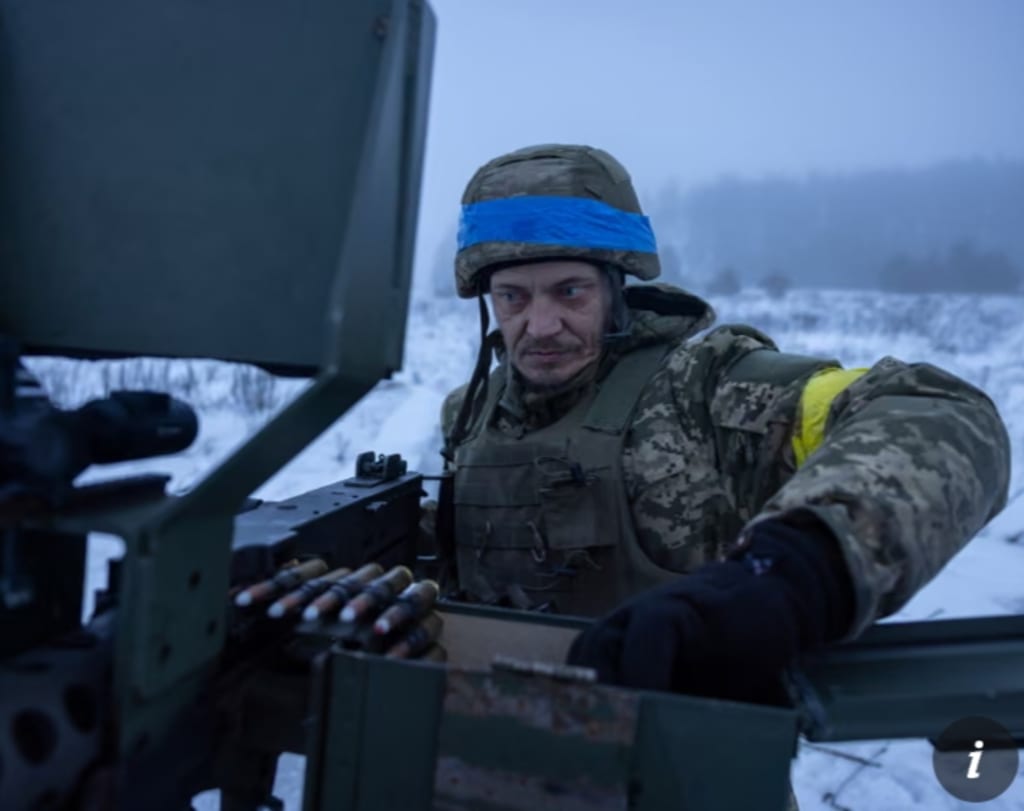
The war in Ukraine has not only transformed the battlefield in Eastern Europe but also created new geopolitical partnerships far beyond the region. In a significant diplomatic development, Ukrainian President Volodymyr Zelenskyy has offered assistance to Mohammed bin Salman in combating Iranian drone technology.
The proposal highlights Ukraine’s growing expertise in countering unmanned aerial threats after years of defending its cities and infrastructure against waves of Iranian-designed drones used by Russia during the ongoing Russian invasion of Ukraine.
Zelenskyy’s offer also reflects the increasingly global dimension of the war, where lessons learned on Ukrainian battlefields are shaping security strategies in regions as distant as the Middle East.
Iranian Drones in the Ukraine War
Since the early stages of the war, Russia has relied heavily on drones supplied or designed by Iran. Among the most widely used systems are the Shahed series of loitering munitions, often referred to as “kamikaze drones.”
These drones are relatively inexpensive compared to conventional missiles but capable of causing significant damage to energy facilities, military bases, and civilian infrastructure. Their affordability allows attackers to launch them in large numbers, overwhelming air defenses.
Ukraine has spent more than two years adapting to this threat. Ukrainian forces have developed layered defense systems combining radar detection, electronic warfare, anti-aircraft missiles, and mobile machine-gun teams to intercept incoming drones.
The country’s experience has turned it into one of the world’s leading experts in countering this type of drone warfare.
Saudi Arabia’s Drone Security Concerns
Saudi Arabia has faced similar threats in recent years. Energy infrastructure and airports in the kingdom have been targeted by drone and missile attacks linked to Iranian-backed groups in the region.
The most notable incident occurred in 2019 when coordinated drone and missile strikes severely disrupted production at major oil facilities. The attacks temporarily cut Saudi oil output by nearly half, sending shockwaves through global energy markets.
For Saudi Arabia, improving defense against drones has become a top national security priority. Protecting oil infrastructure, transportation networks, and urban centers requires advanced detection and interception capabilities.
Ukraine’s real-world experience with drone warfare could therefore offer valuable insights.
Zelenskyy’s Strategic Outreach
During diplomatic discussions, Zelenskyy offered to share Ukraine’s knowledge of drone defense strategies, including technological solutions and battlefield tactics developed during the war.
The proposal includes potential cooperation in several areas:
Detection systems for low-flying drones
Electronic warfare techniques to disrupt drone navigation
Rapid-response air defense strategies
Infrastructure protection methods
For Ukraine, this offer represents more than a military collaboration—it is also part of a broader diplomatic effort to strengthen relationships with countries in the Middle East.
By positioning itself as a partner in global security, Kyiv hopes to expand its international support network.
The Growing Importance of Drone Warfare
The rise of drone warfare has fundamentally changed modern military strategy. Unmanned systems are now used for reconnaissance, surveillance, and direct attacks.
Unlike traditional aircraft or missiles, drones can be produced at relatively low cost and deployed in large numbers. This makes them particularly attractive for asymmetric warfare, where smaller forces seek to challenge more technologically advanced militaries.
The conflict in Ukraine has served as a testing ground for these technologies. Both Ukrainian and Russian forces have integrated drones into nearly every aspect of battlefield operations.
The lessons learned there are now influencing military planning across the world.
A New Security Dialogue Between Regions
Zelenskyy’s outreach to Saudi Arabia signals a broader trend in global security cooperation. Countries that have faced drone threats are increasingly sharing knowledge and strategies.
This type of cooperation may extend beyond Ukraine and Saudi Arabia. Other nations in the Middle East, Europe, and Asia are closely studying the conflict to better understand how to defend against similar attacks.
For Saudi Arabia, working with Ukraine could provide practical insights drawn from real combat situations. For Ukraine, the partnership strengthens diplomatic ties and demonstrates its role as a contributor to international security.
Diplomatic and Economic Dimensions
The potential cooperation also carries diplomatic and economic significance. Saudi Arabia is one of the world’s leading energy producers and a key player in global oil markets.
Building stronger ties with Riyadh could help Ukraine expand its diplomatic reach beyond its traditional allies in Europe and North America.
Additionally, collaboration on defense technologies could open new opportunities for joint research and development in counter-drone systems.
These technologies are increasingly valuable as drone threats become more common worldwide.
Challenges Ahead
Despite the promise of cooperation, several challenges remain. International politics in the Middle East are complex, and relationships between regional powers can shift quickly.
Ukraine must also balance its outreach efforts carefully, ensuring that its partnerships do not conflict with those of its existing allies.
Meanwhile, the war with Russia continues to demand significant resources and attention from Kyiv. Sharing expertise with other countries must not come at the expense of Ukraine’s own defense needs.
Still, the potential benefits of international collaboration may outweigh these challenges.
The Global Impact of the Ukraine War
More than two years after the conflict began, the war in Ukraine has reshaped global security discussions. It has accelerated the development of new technologies, changed military doctrines, and influenced alliances far beyond Europe.
Drone warfare, in particular, has emerged as one of the defining features of the conflict.
By offering to share its experience with Saudi Arabia, Ukraine is demonstrating how knowledge gained in one war can influence defense strategies around the world.
Looking Ahead
As the war continues, Ukraine’s role in international security discussions is likely to grow. The country’s battlefield innovations and resilience have attracted attention from military planners worldwide.
Cooperation with Saudi Arabia on countering Iranian drones could mark the beginning of a broader security partnership that spans regions and industries.
For now, Zelenskyy’s offer reflects both the urgency of modern drone threats and the importance of global collaboration in addressing them.
In an era where relatively inexpensive unmanned aircraft can threaten major cities and critical infrastructure, sharing knowledge and technology may be one of the most effective tools nations have to protect themselves.
And in that effort, Ukraine’s hard-earned experience may prove invaluable far beyond its own borders.
About the Creator
Parallel Protests
I haven't written for quite some time, but I have A LOT of thoughts about yesterday's protest rally against our government's involvement and complicity in America's war on Iran, on the harbourside of my home city Bristol, and I need to put them somewhere. My gorgeous girlfriend is always a loving and listening ear and sharing it all with her will always be a healthy and happy way of processing the mental and emotional weight, but getting it straight in my brain to share means writing it all down in straight lines, so, here we are and thanks for being here.
By Steph Cole10 days ago in The Swamp
Judge Rules Kari Lake Unlawfully Ran U.S. Media Agency, Voiding Layoffs
A federal judge has ruled that former Arizona political candidate Kari Lake unlawfully exercised authority over a U.S. government-funded media agency, a decision that has nullified a series of layoffs and triggered renewed debate about leadership and governance in publicly funded international broadcasting.
By Jameel Jamali5 days ago in The Swamp
Worth the Wait: Puerto Viejo, Costa Rica
Beach bumming in a small Caribbean beach town sounded like a perfect way to end our 6-month trip through Mexico and Central America. Or so we thought. The foul, fishy stench of rotten seaweed hit our nostrils as we stepped from the cramped bus and looked out at a rather depressing, empty, and underwhelming black sand beach. It was pouring with rain, and we had to quickly fish out our ponchos. We thought, this couldn’t be it, could it?
By Sh*t Happens - Lost Girl Travel7 days ago in Wander



Comments
There are no comments for this story
Be the first to respond and start the conversation.